SHADAI Magazine
Production Synopsis: Holy Water
Location: Hawaii / Tulum
Print Publication Release Date: Spring 2026
Principal Photographer: SHAMAYIM
Editorial Format: 7 Unique Editorials
OVERVIEW-HOLY WATER
Water has always carried something sacred.
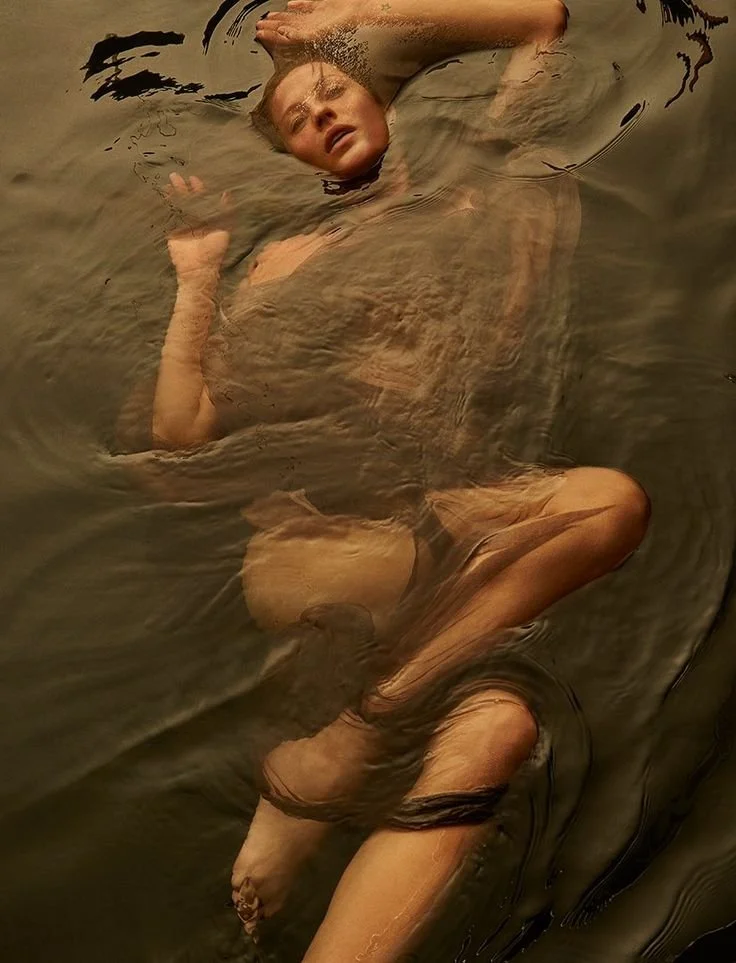
Before borders, before cities, before monuments and empires, there was the ocean—vast, ancient, and unknowable. Humanity has always returned to water in search of renewal, beauty, pleasure, healing, and something beyond the physical world.
HOLY WATER explores this primordial connection.
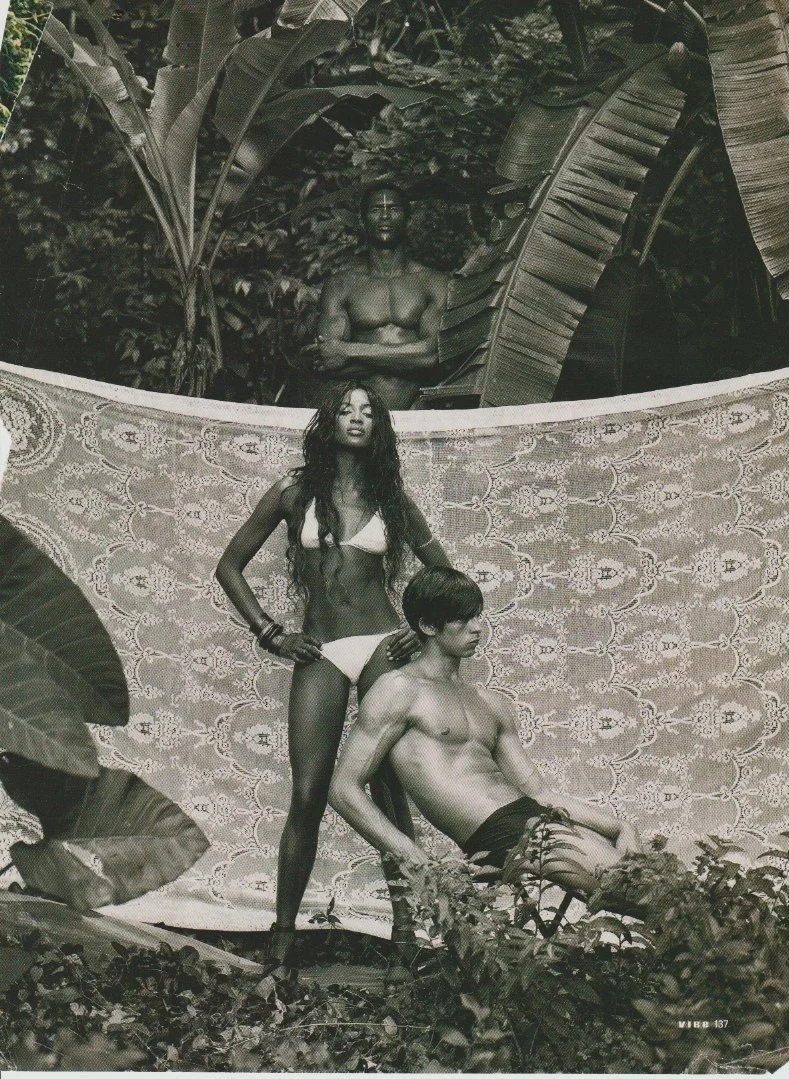
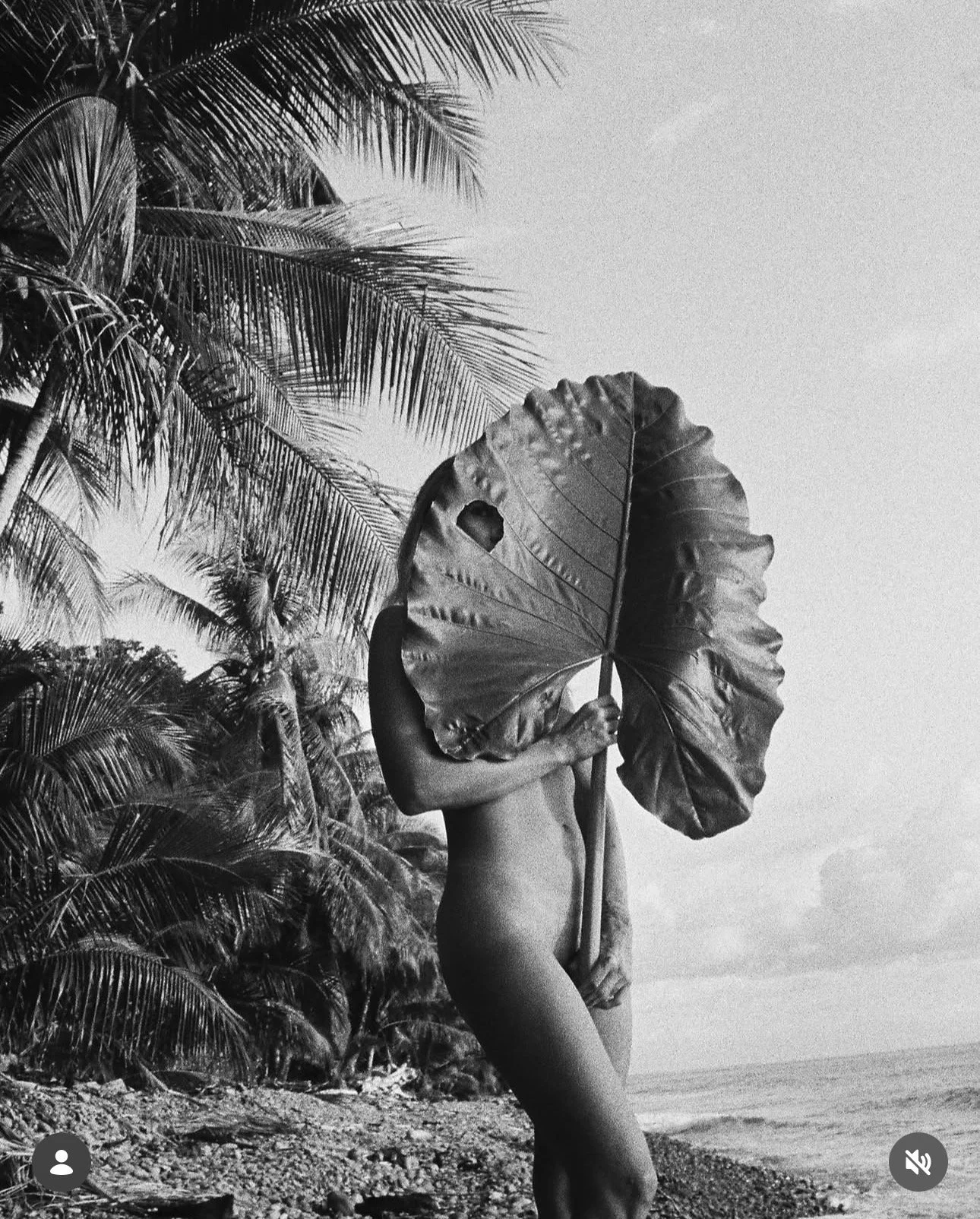
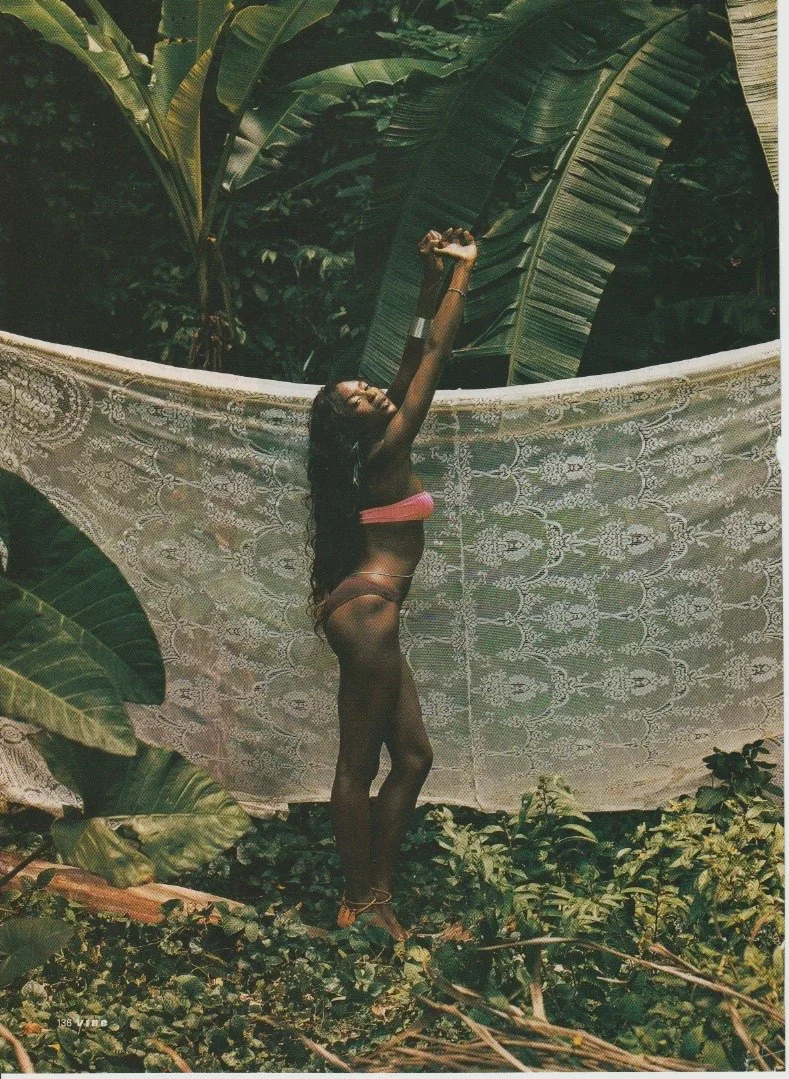
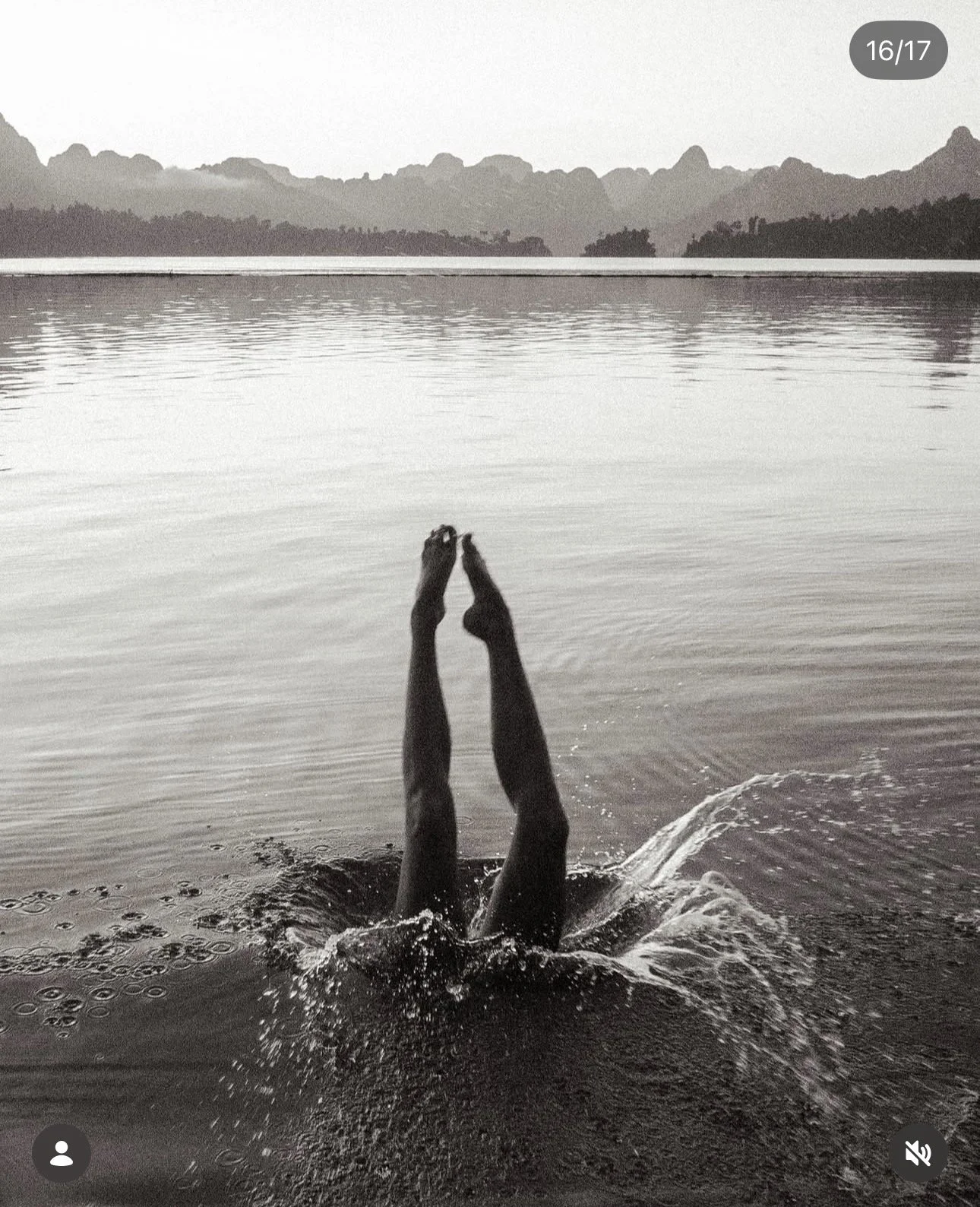
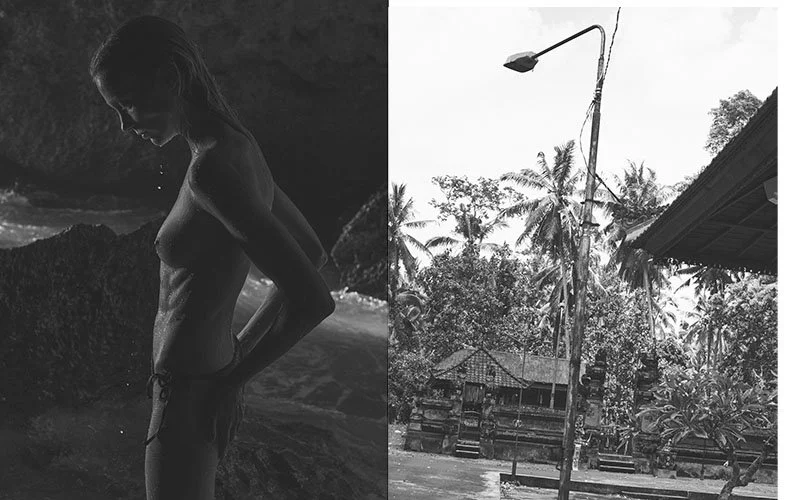
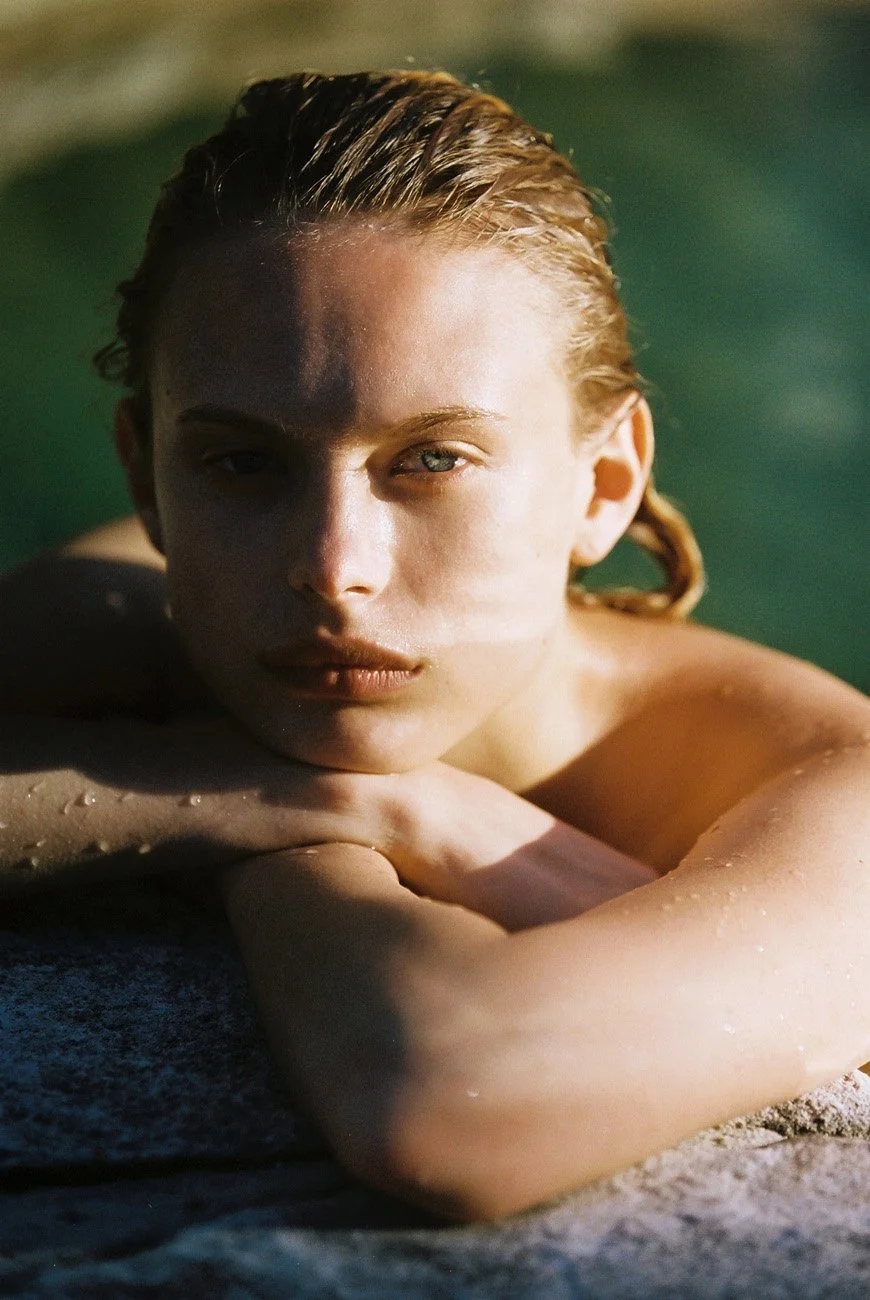
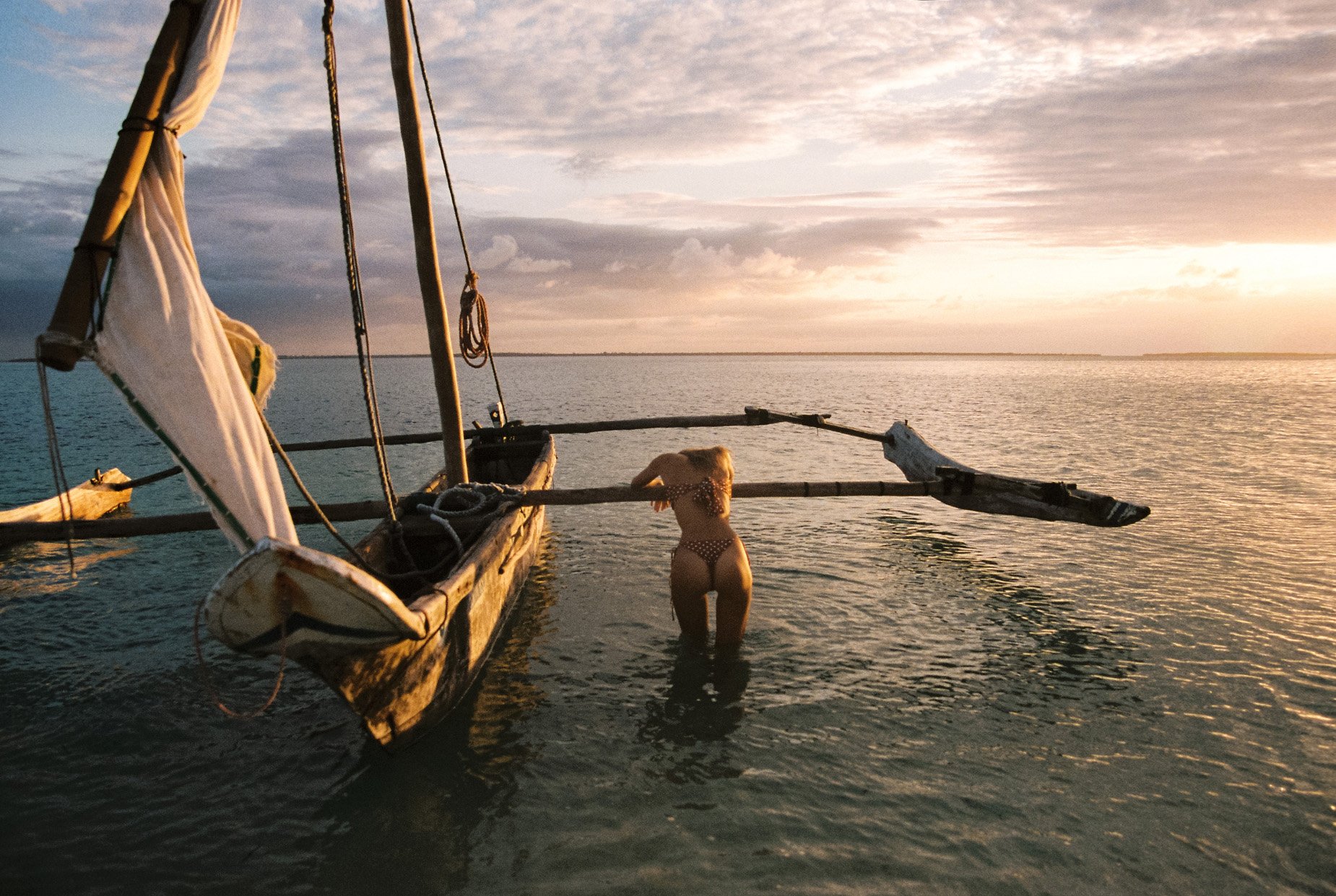
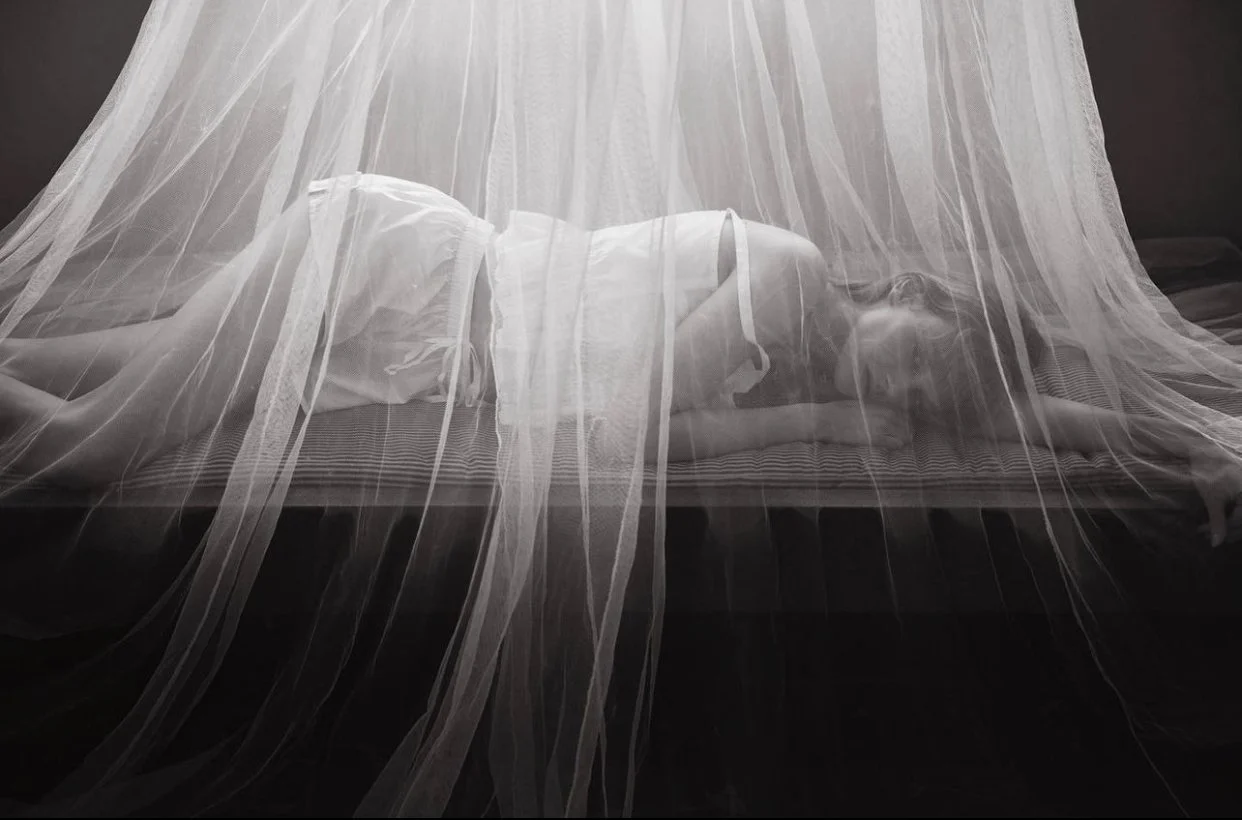
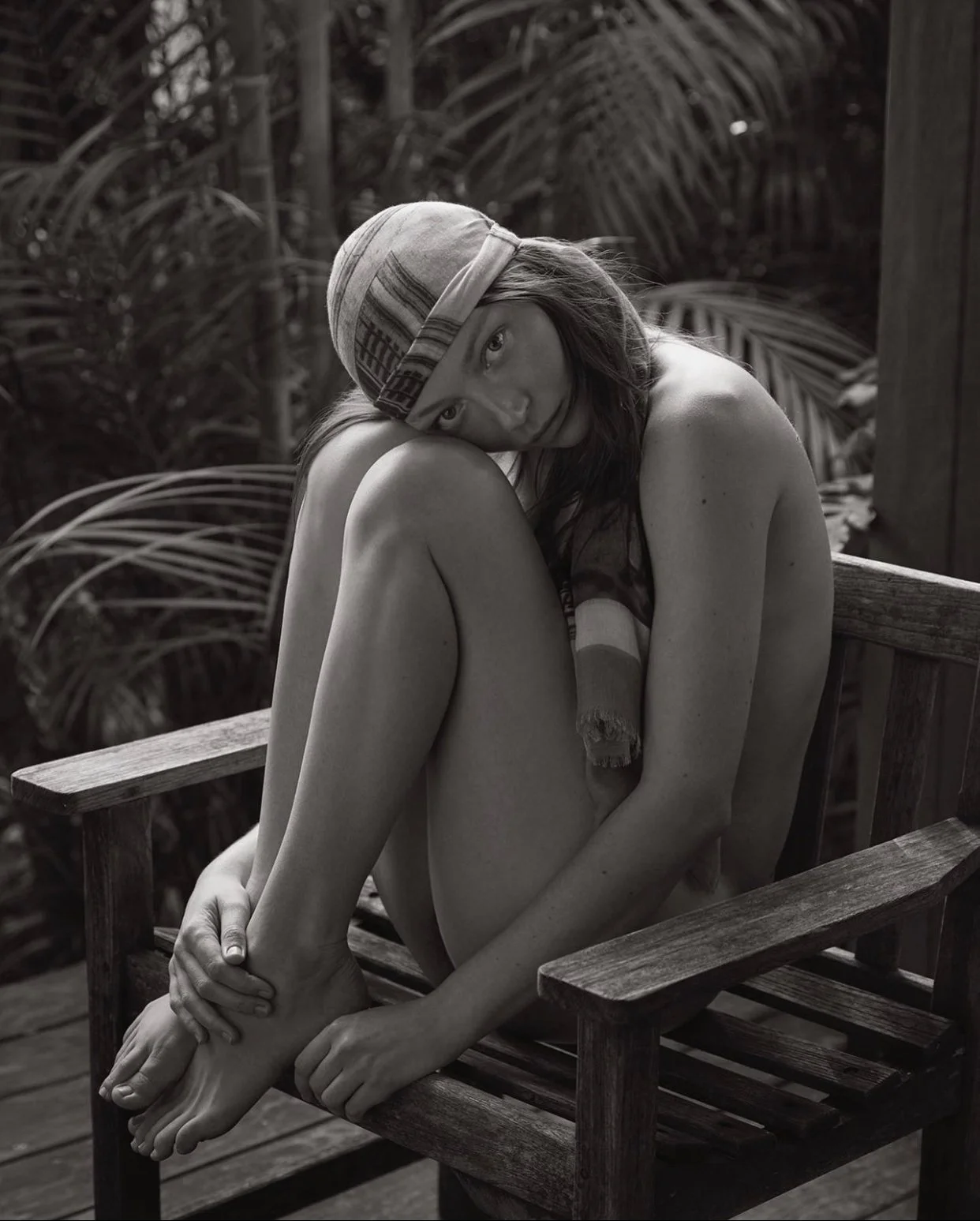
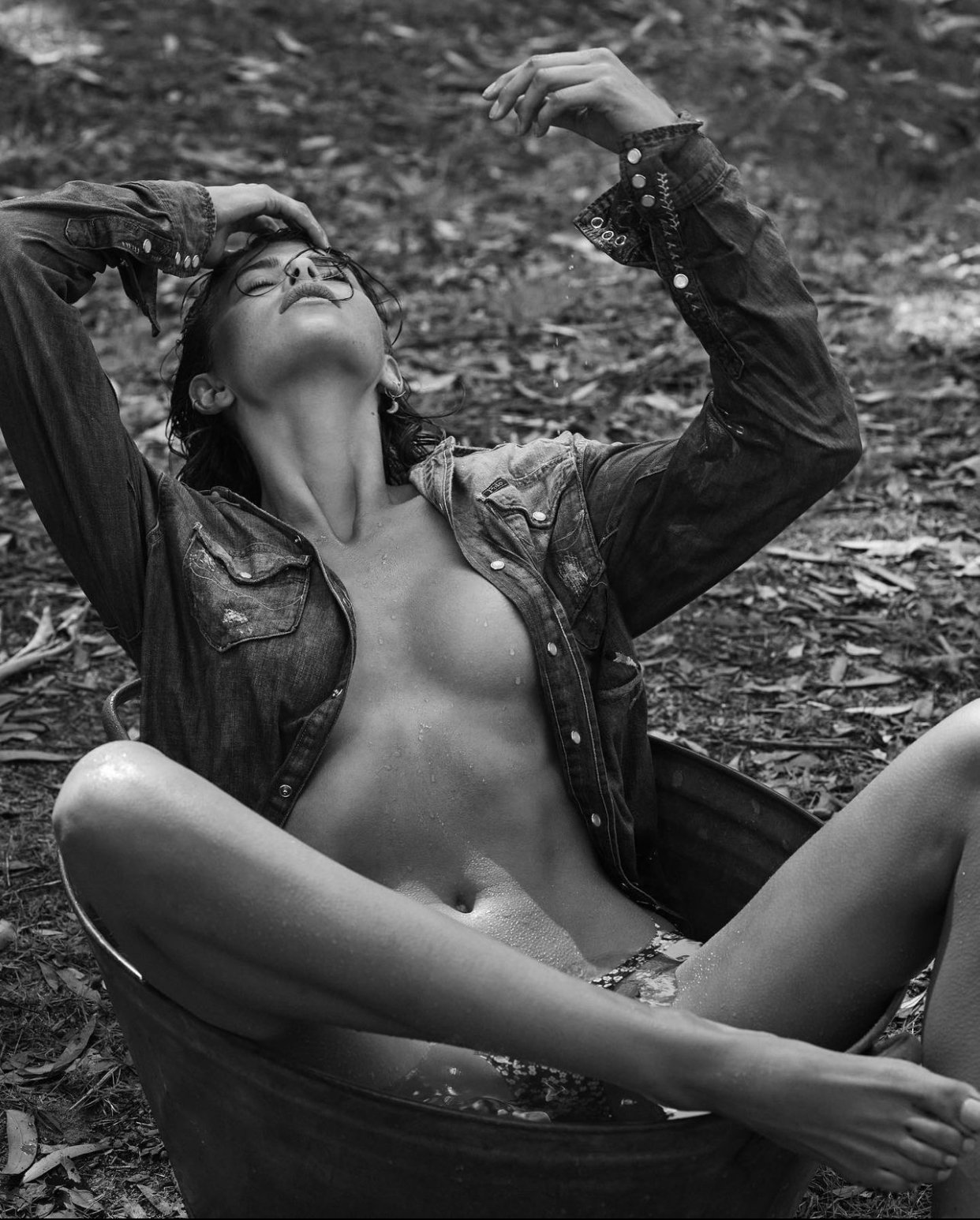
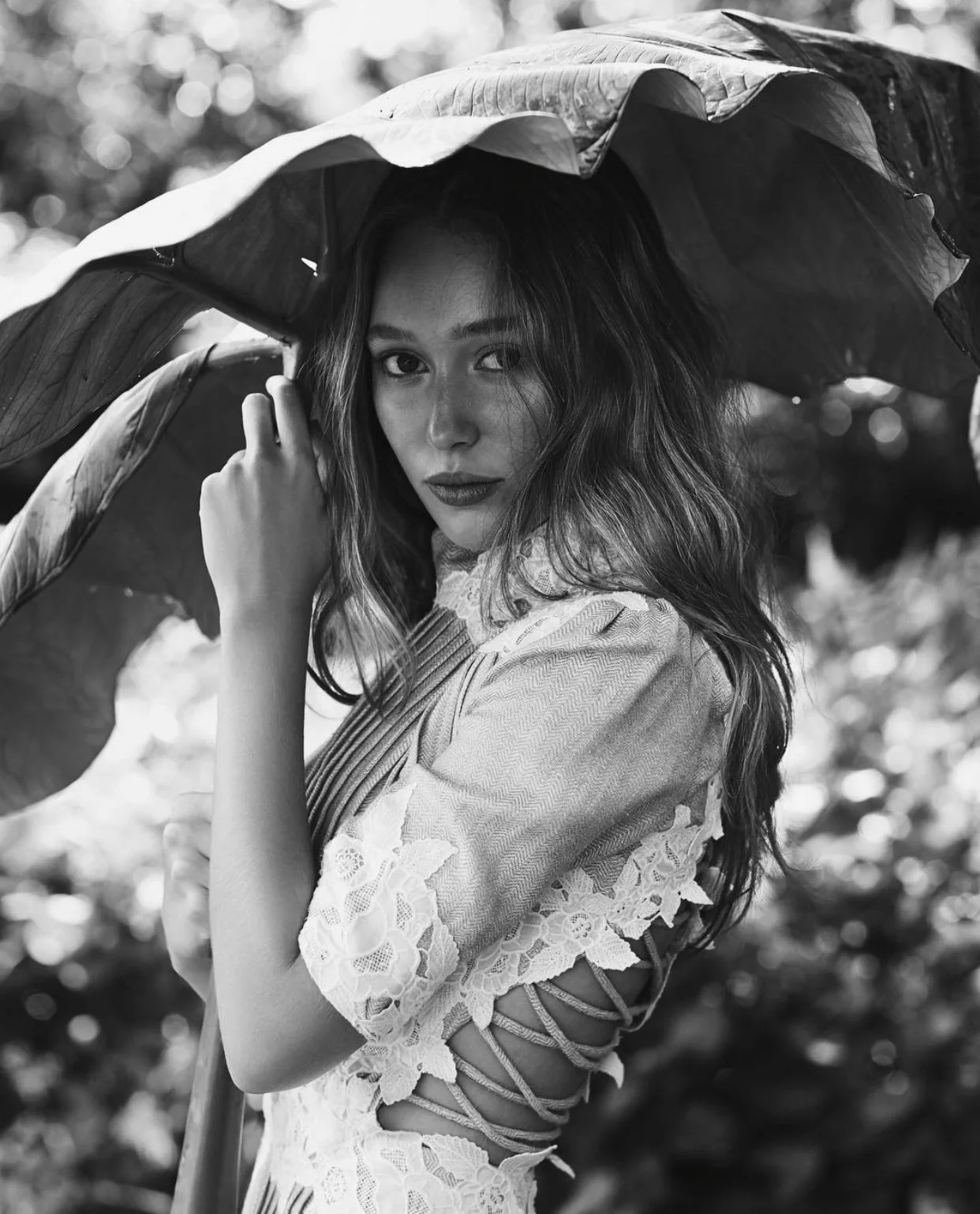
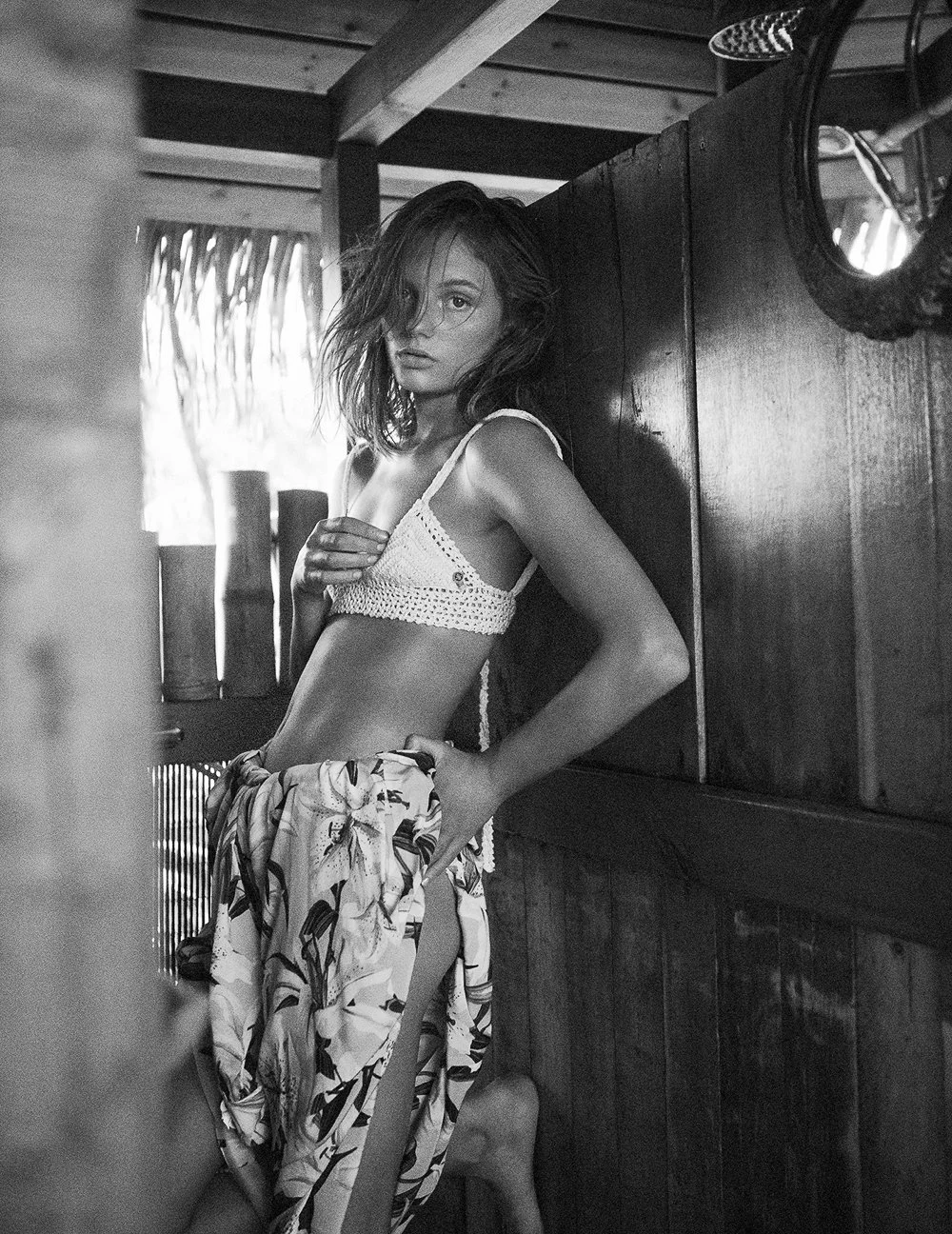
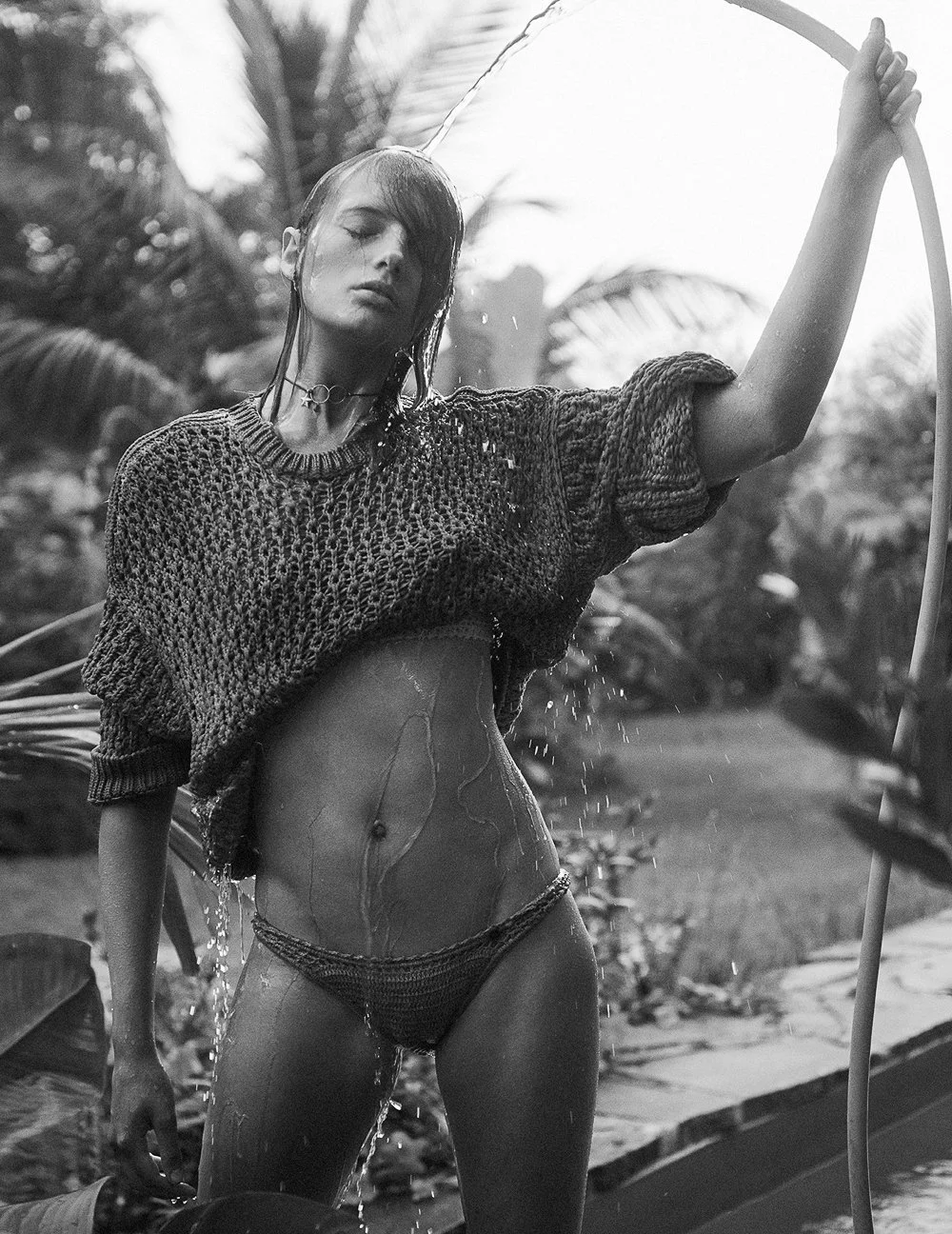
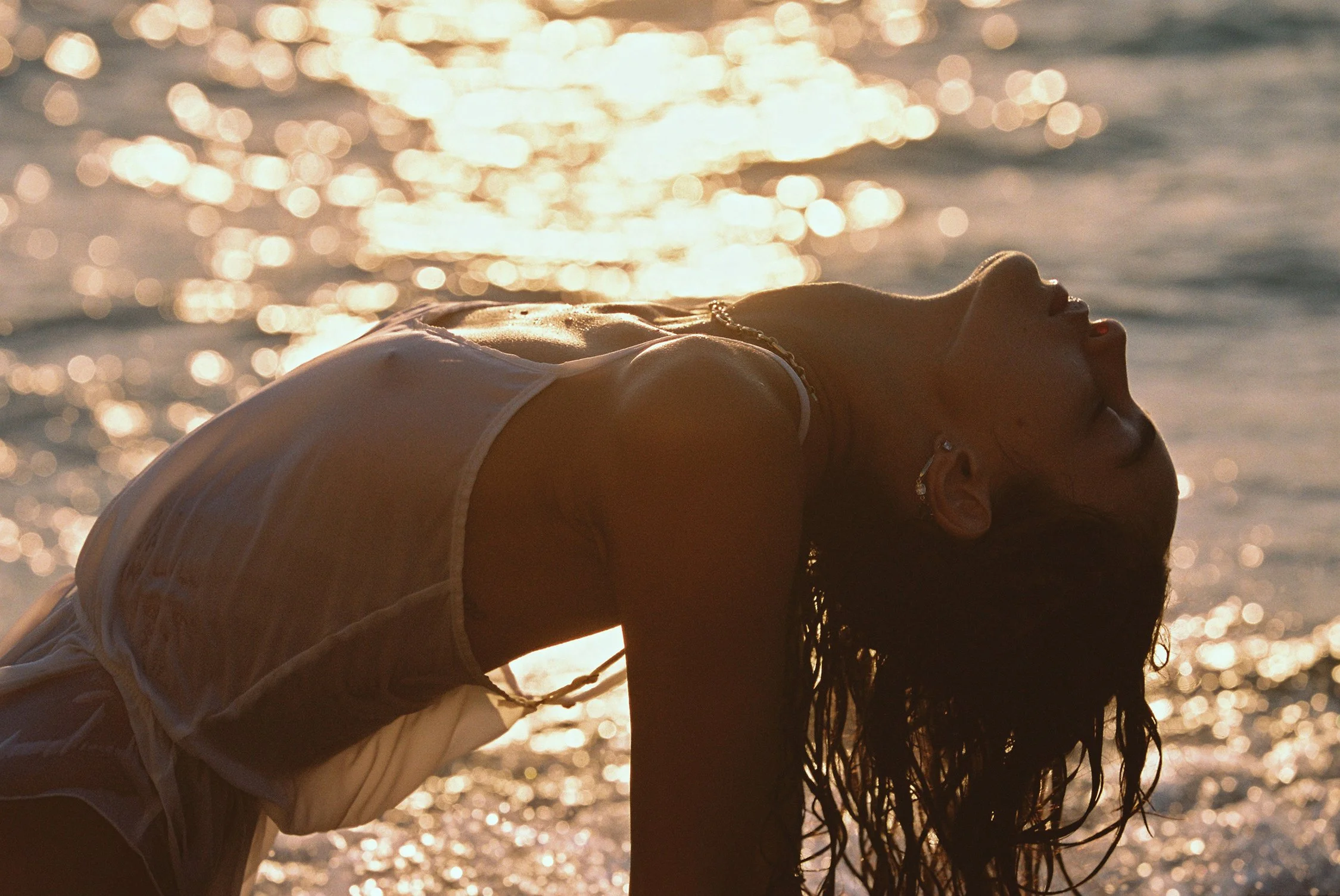
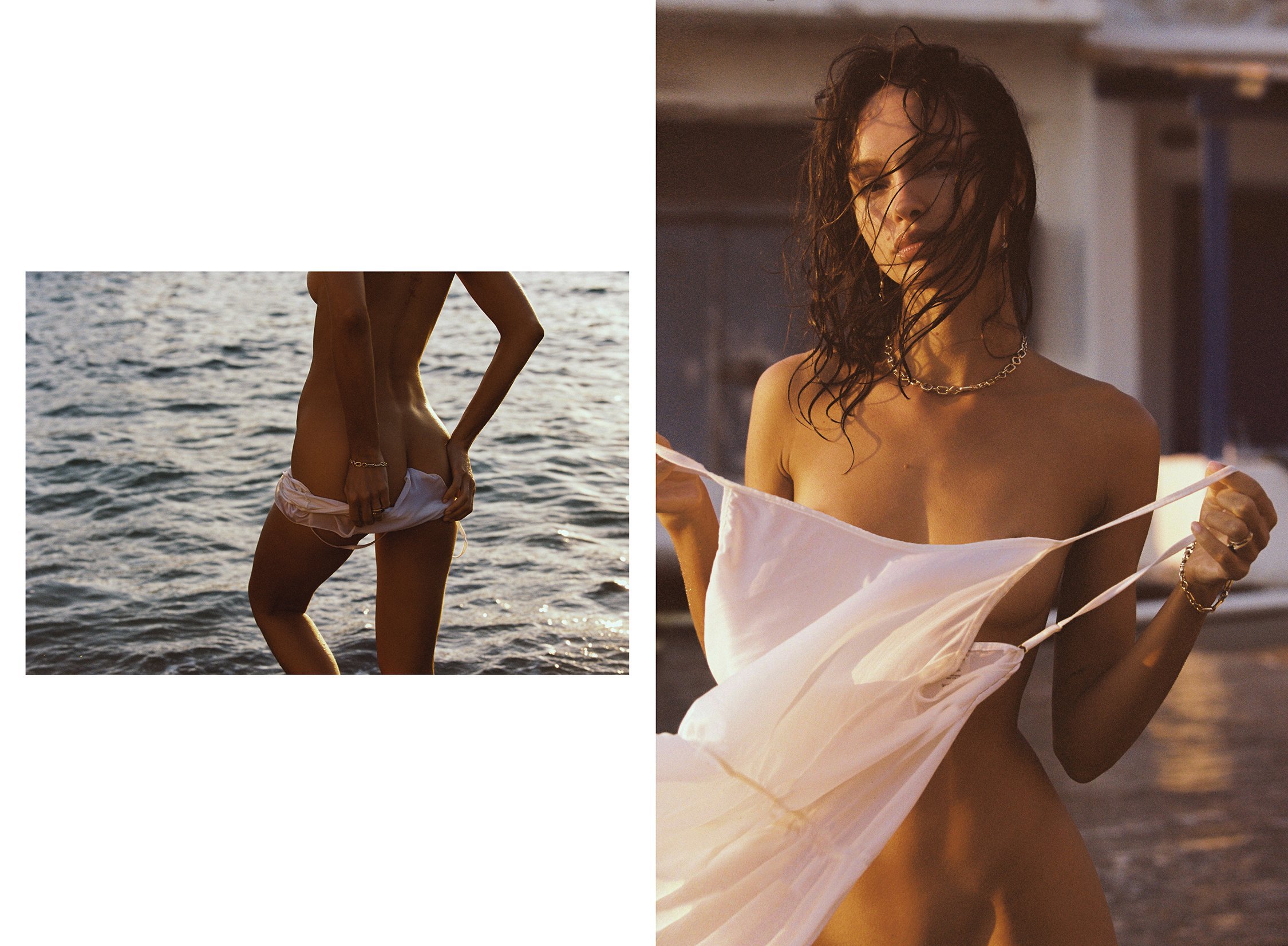
For this issue, SHADAI travels to the tropical landscapes of Hawaii and Tulum, two places where water, earth, sky, and human existence seem to converge. Here, the ocean is not simply a backdrop. It is a living force. A portal between the physical and the divine.
Across both destinations, SHADAI asks a simple question:
What if the divine still walks among us?
What if the bodies of water we travel thousands of miles to experience are not merely beautiful places, but remnants of something sacred?
What if the people we encounter beside them are not visitors at all, but ancient beings temporarily inhabiting human form?
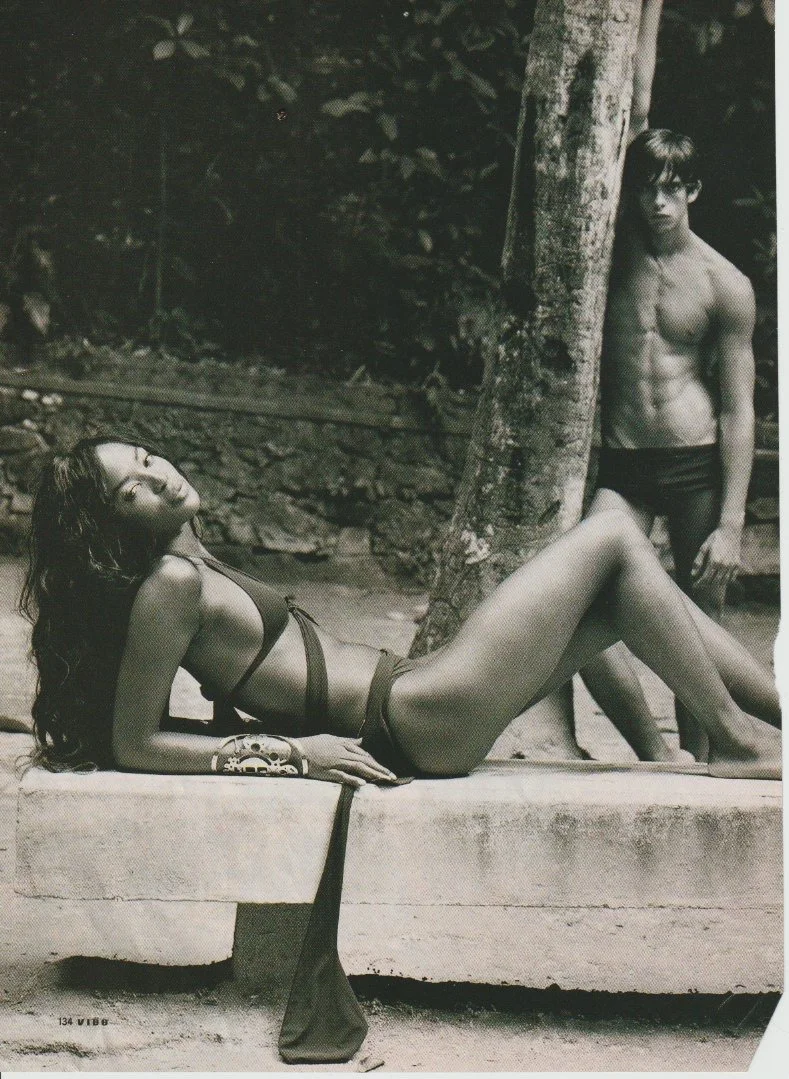
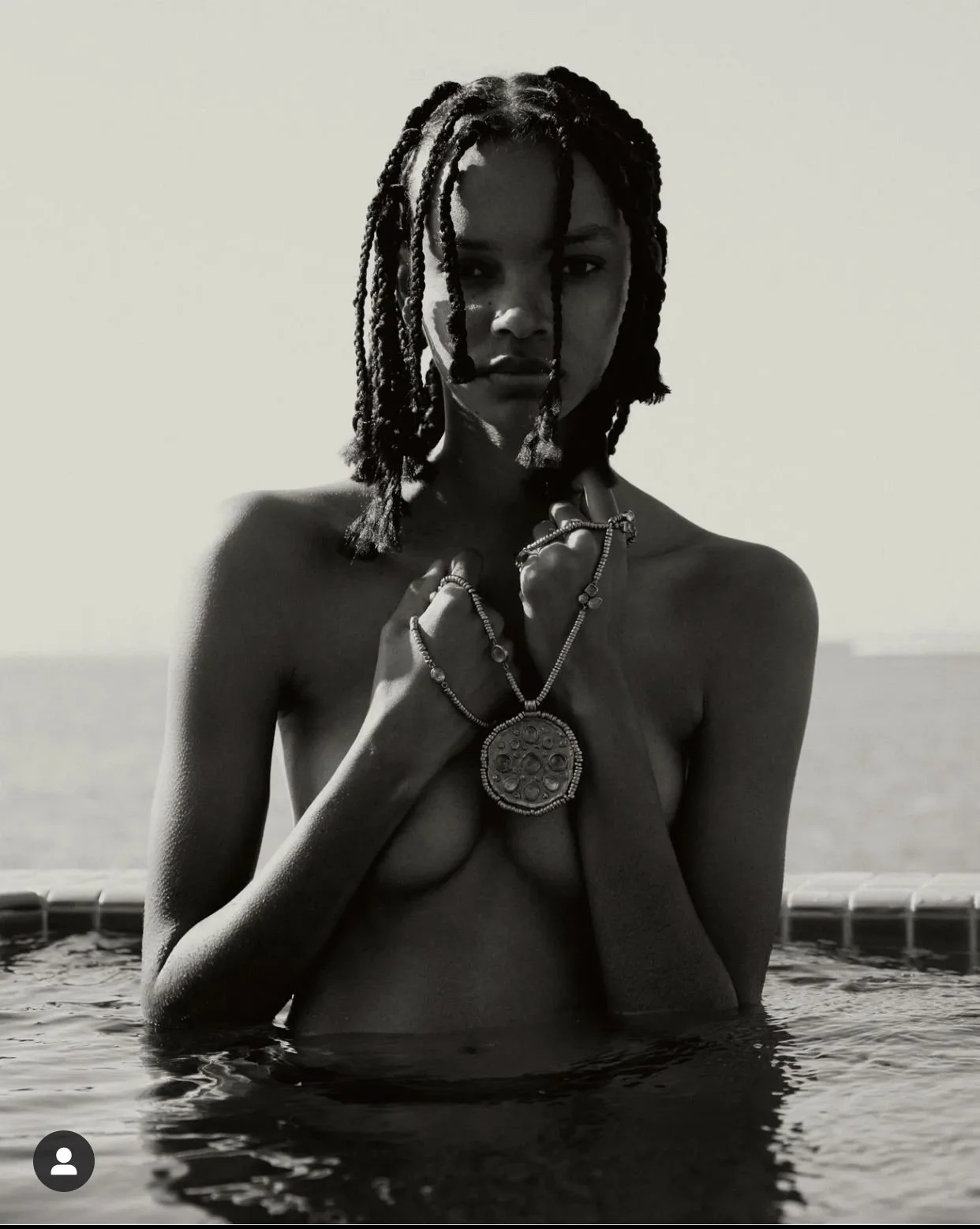
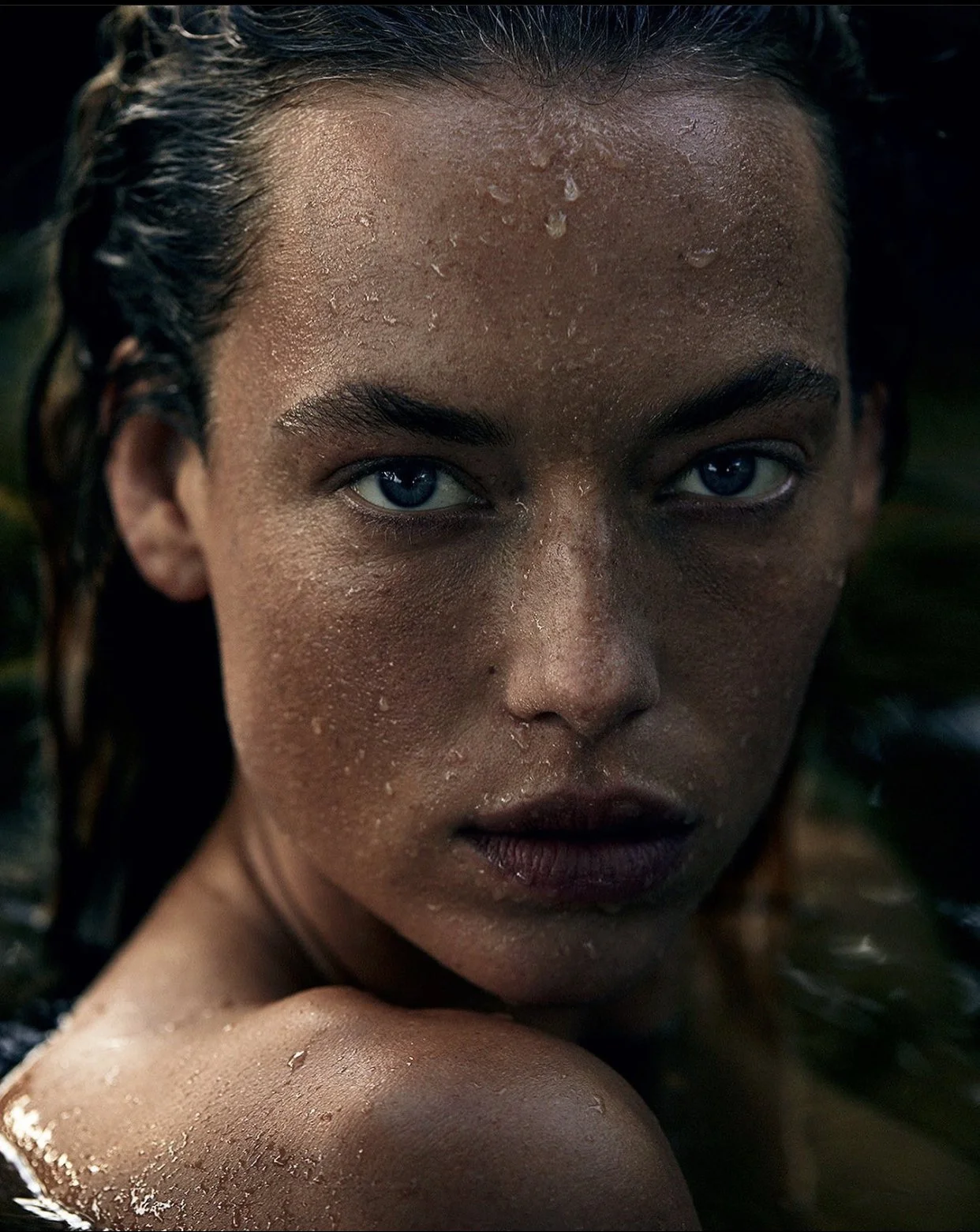
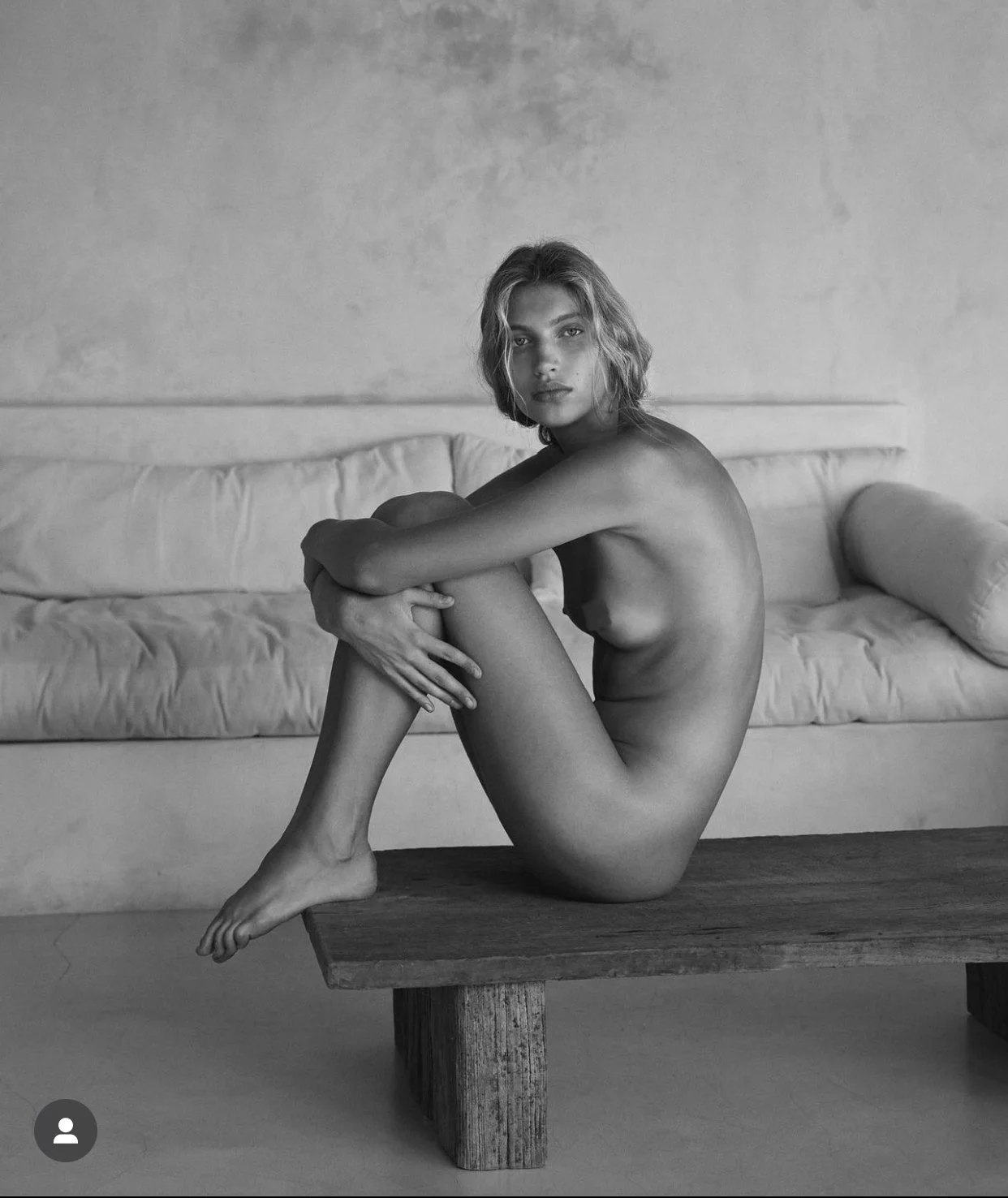
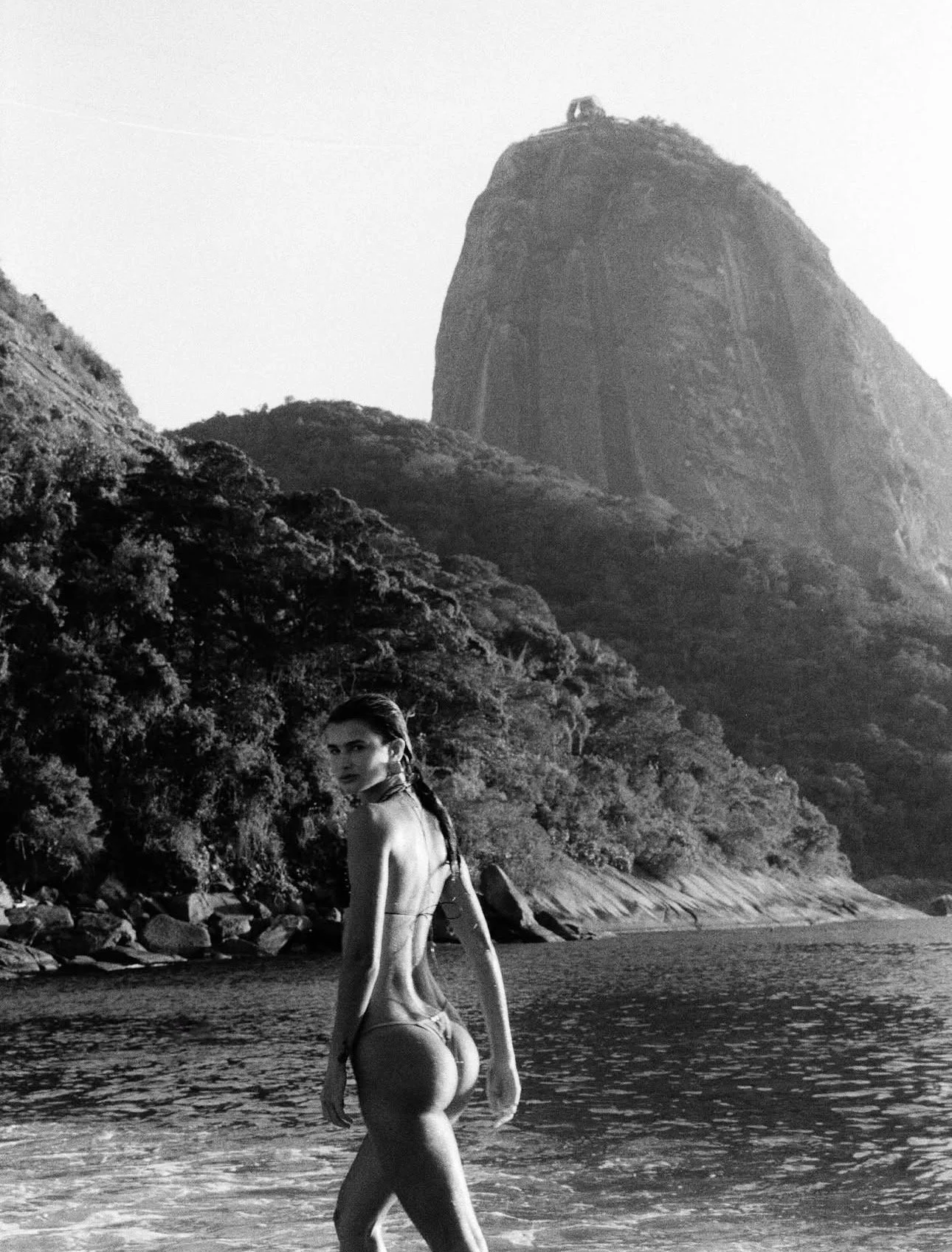
Every editorial should feel like a fragment from a forgotten mythology—a cinematic encounter with beauty, power, sensuality, nature, and the sublime.
DESTINATION
-
The editorials imagine a world in which the beings of ancient myth have returned to earth.
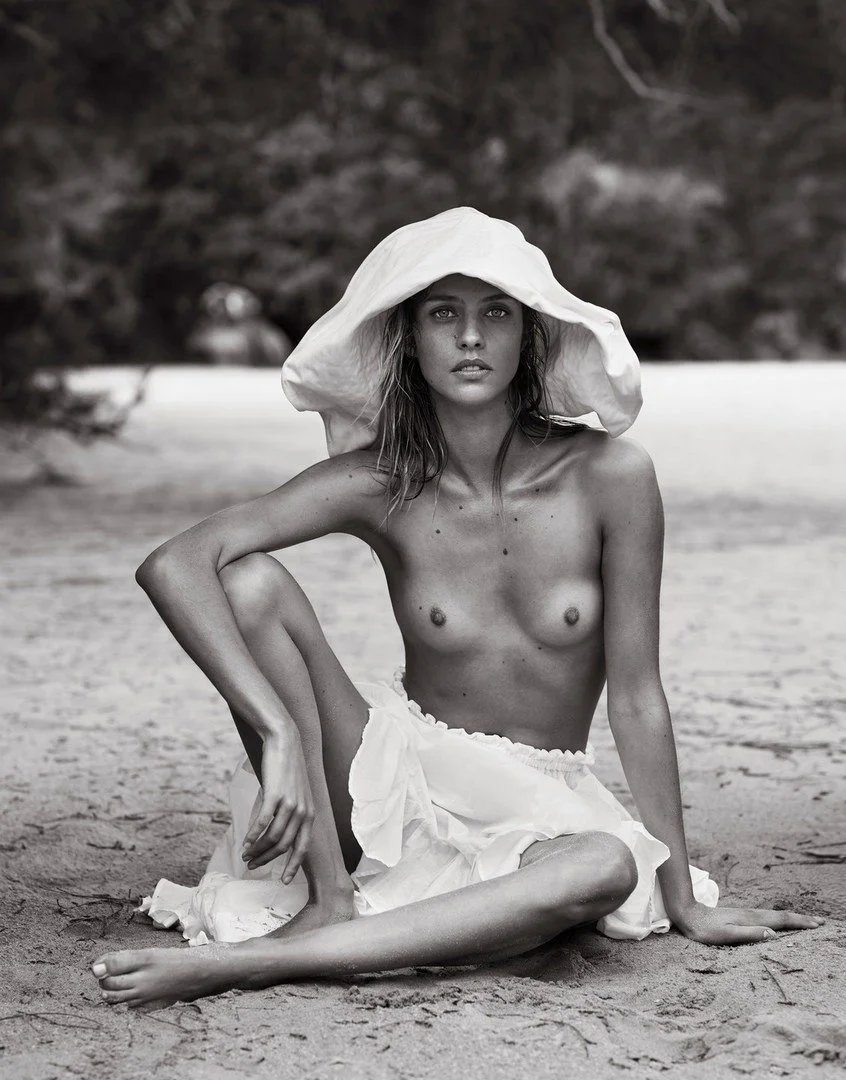
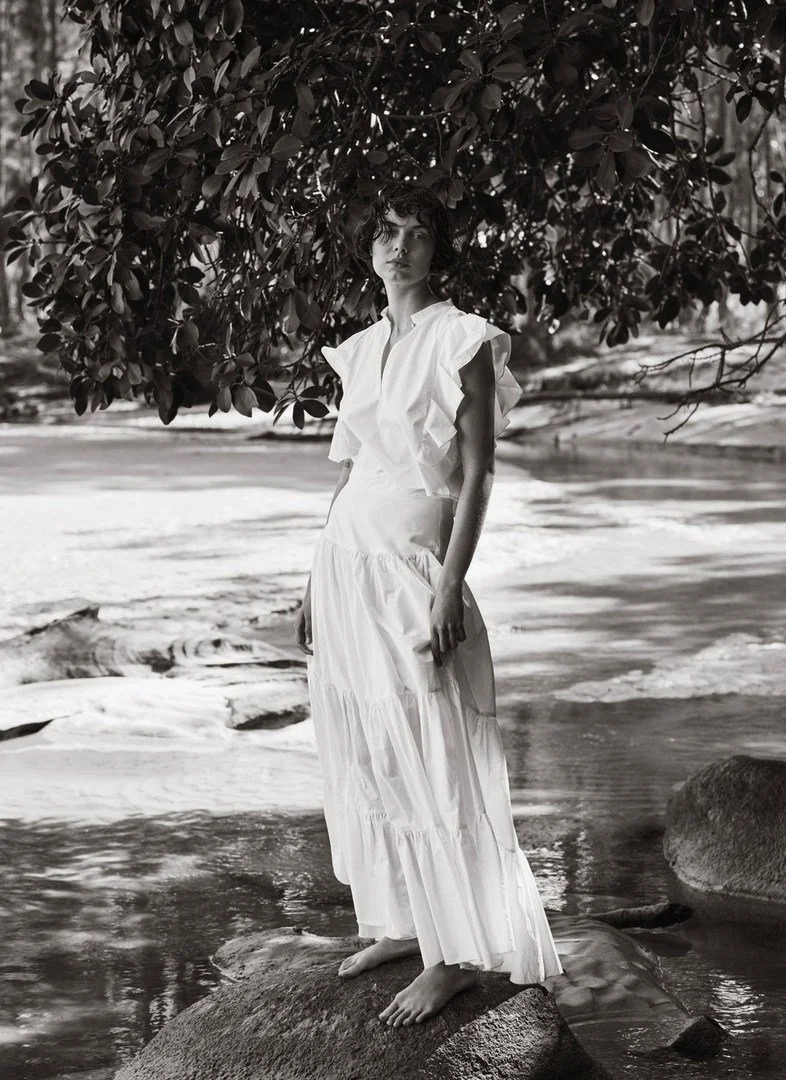
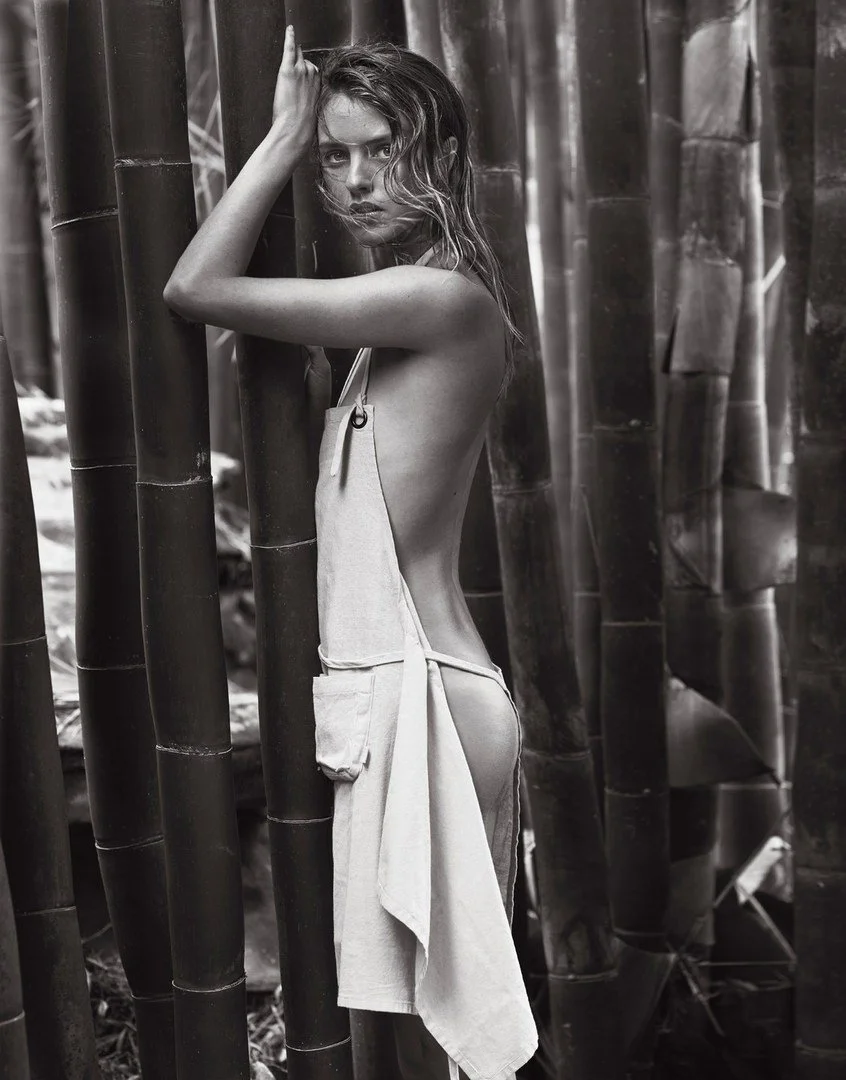
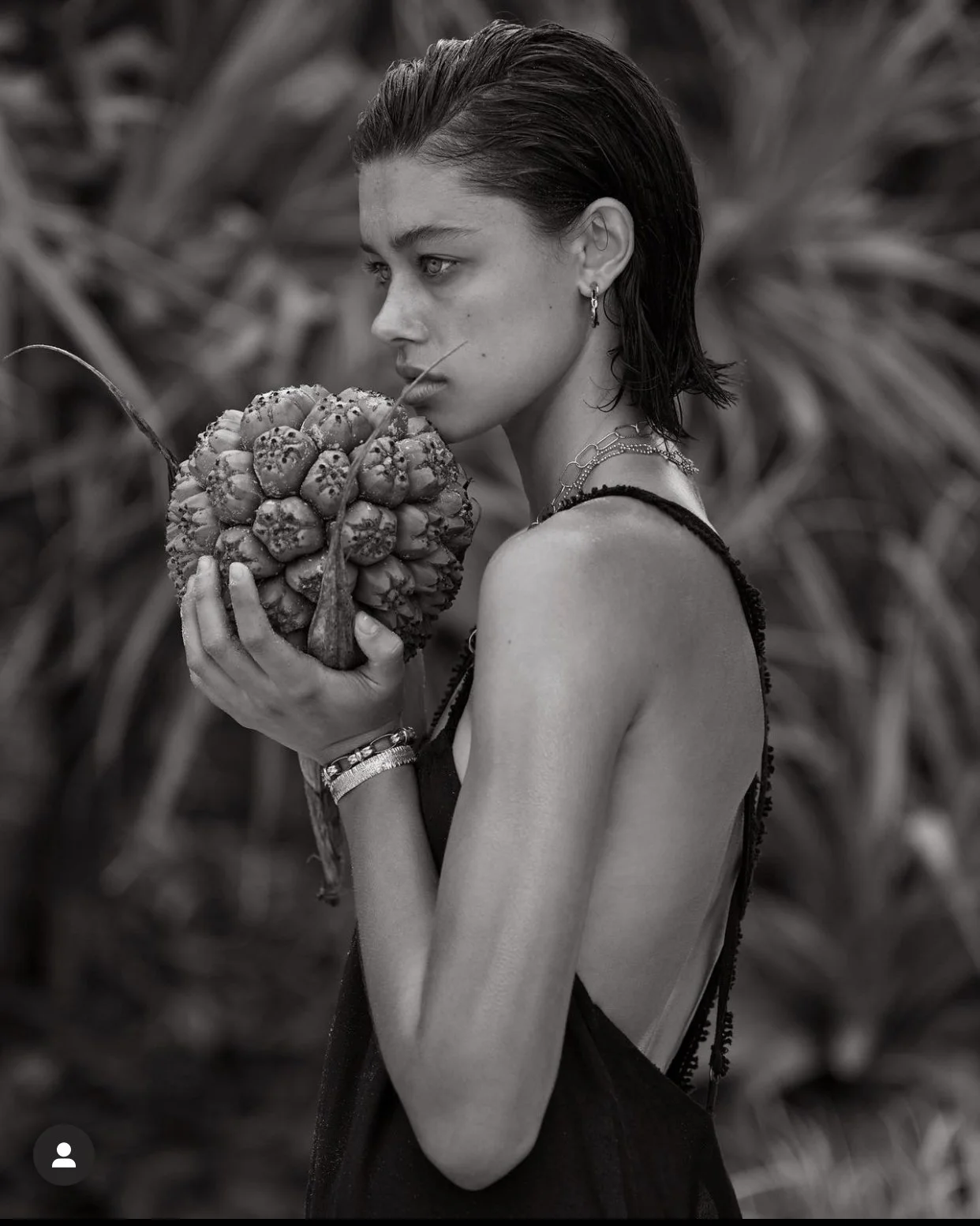
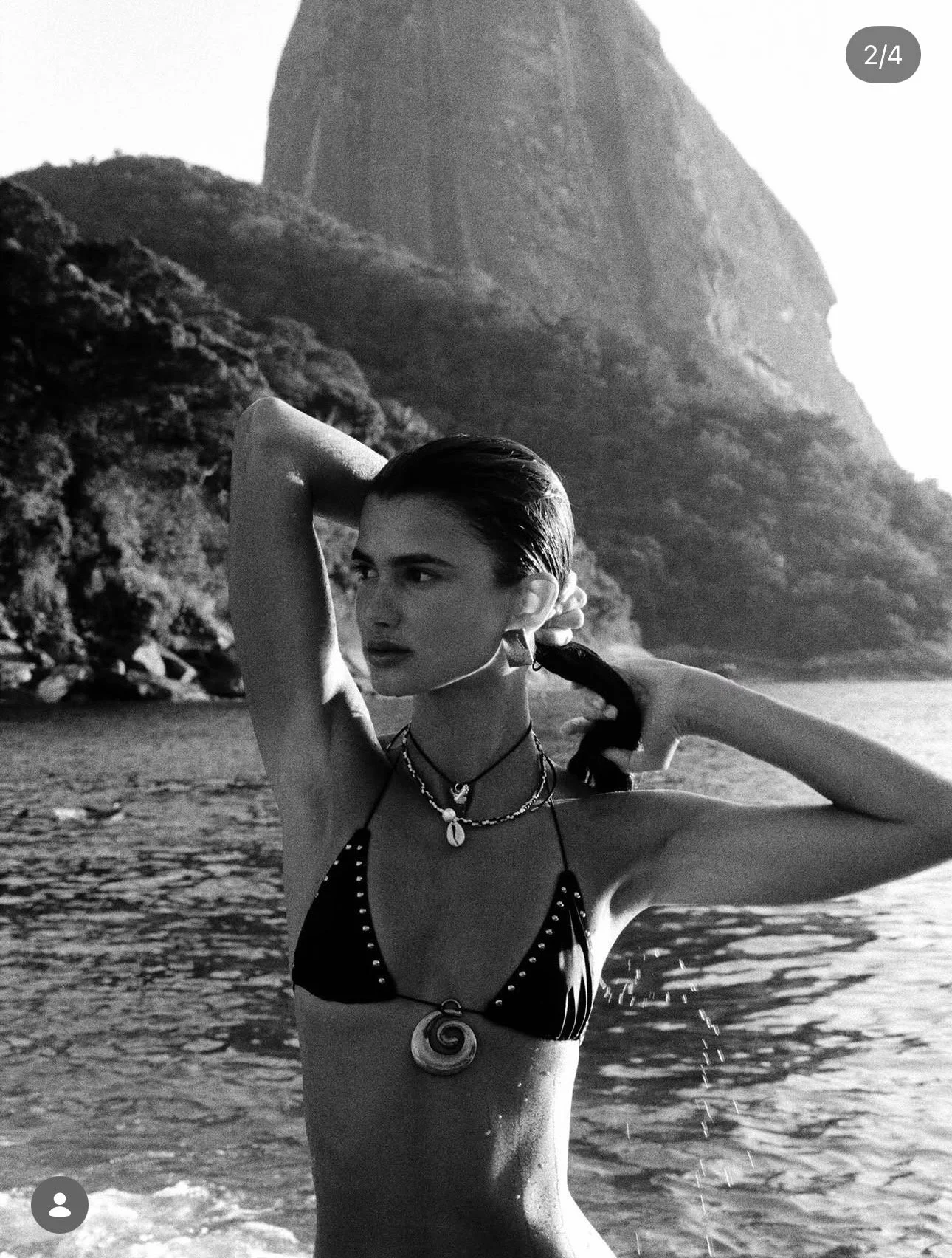
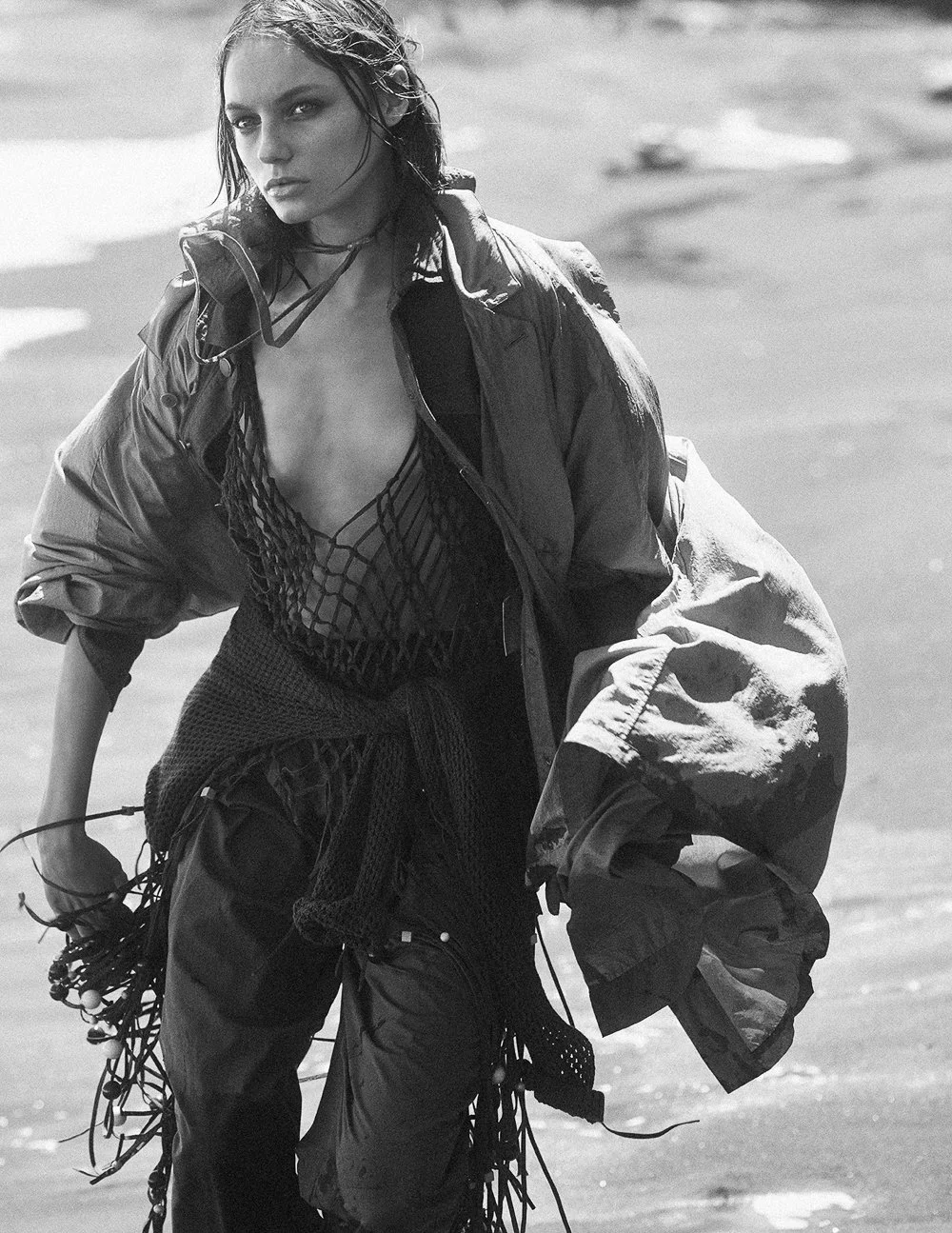
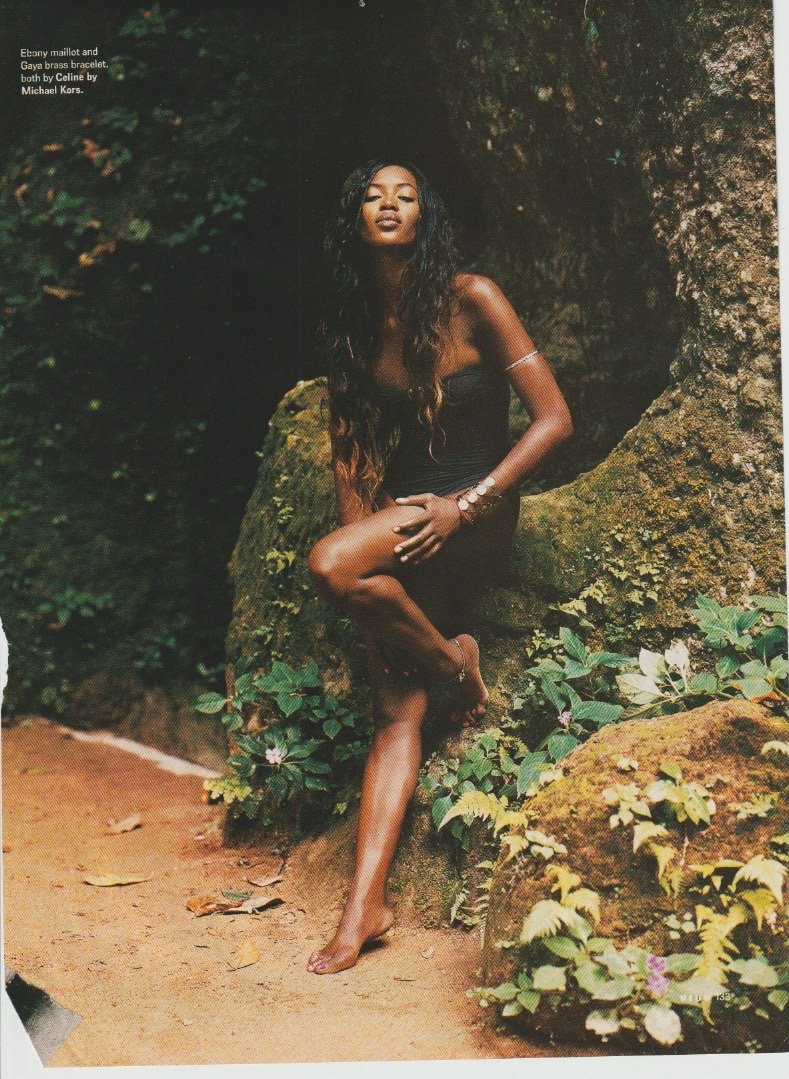
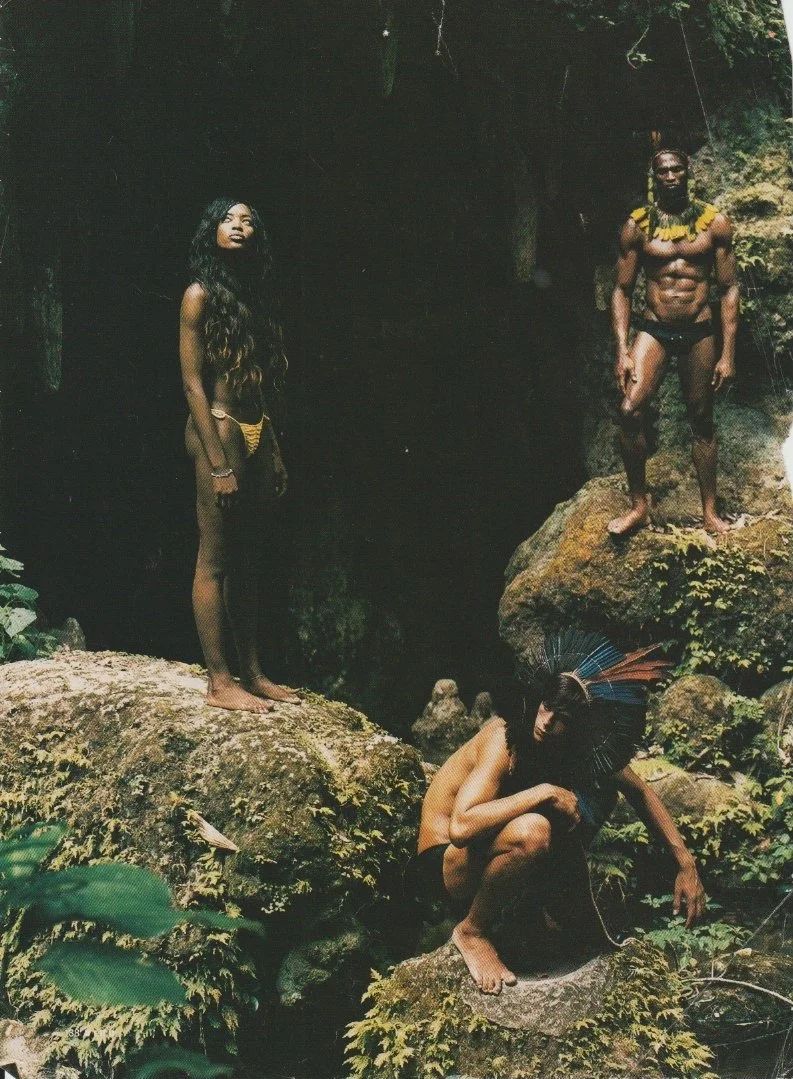
Gods and goddesses emerge from black volcanic shores, turquoise seas, jungle, waterfalls, cenotes, hidden beaches, and tropical gardens. They move through these landscapes with the authority of beings who belong to something older than civilization—beautiful, sensual, powerful, and completely at home within the elements.
HOLY WATER is not a travelogue. It is a mythology.
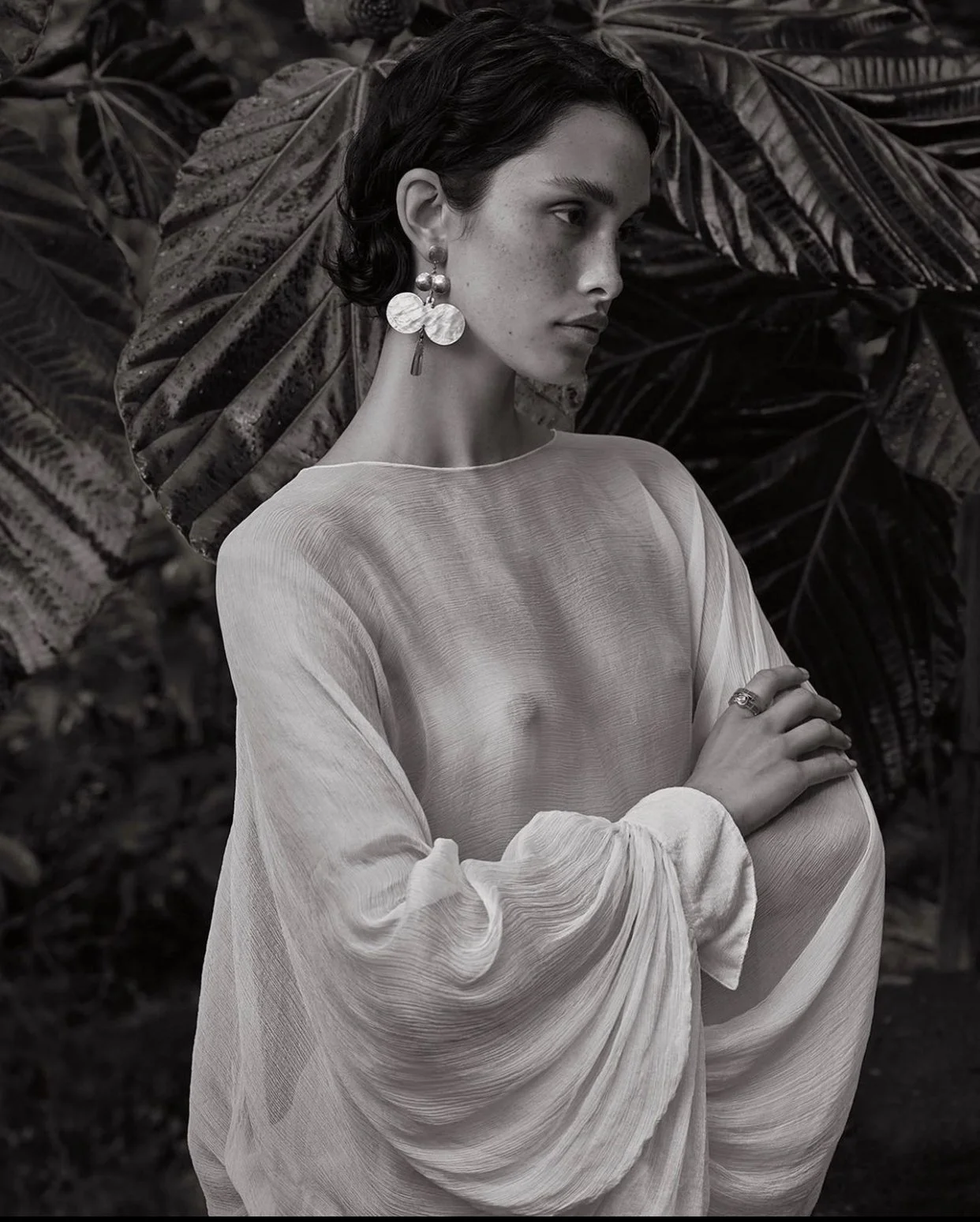
Hawaii and Tulum become imagined realms rather than destinations: places where fashion becomes ritual, the body becomes sculpture, and nature becomes architecture. Silhouettes should feel monumental and otherworldly—larger than life, sensual without being ordinary, and expressive of the elemental forces surrounding them.
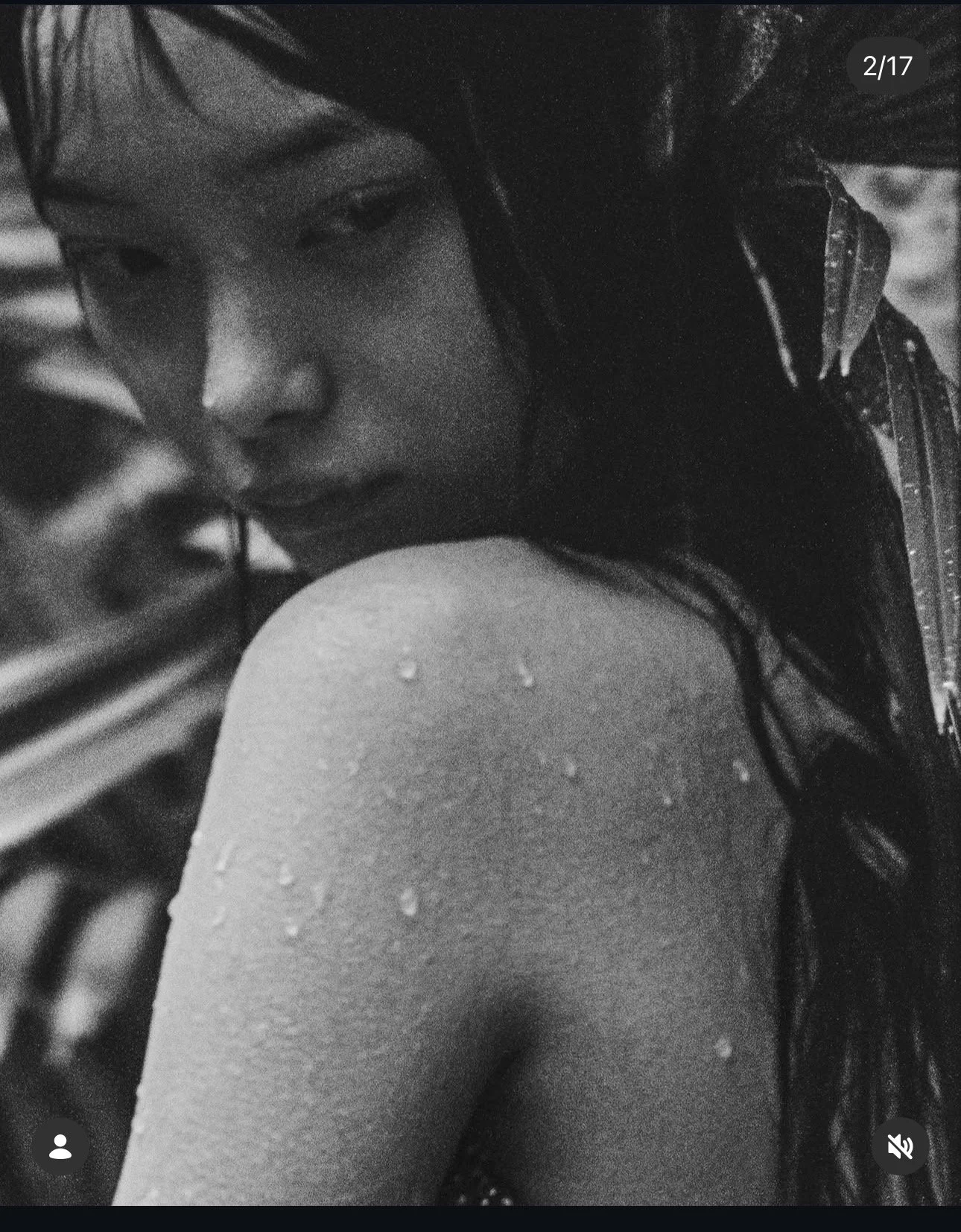
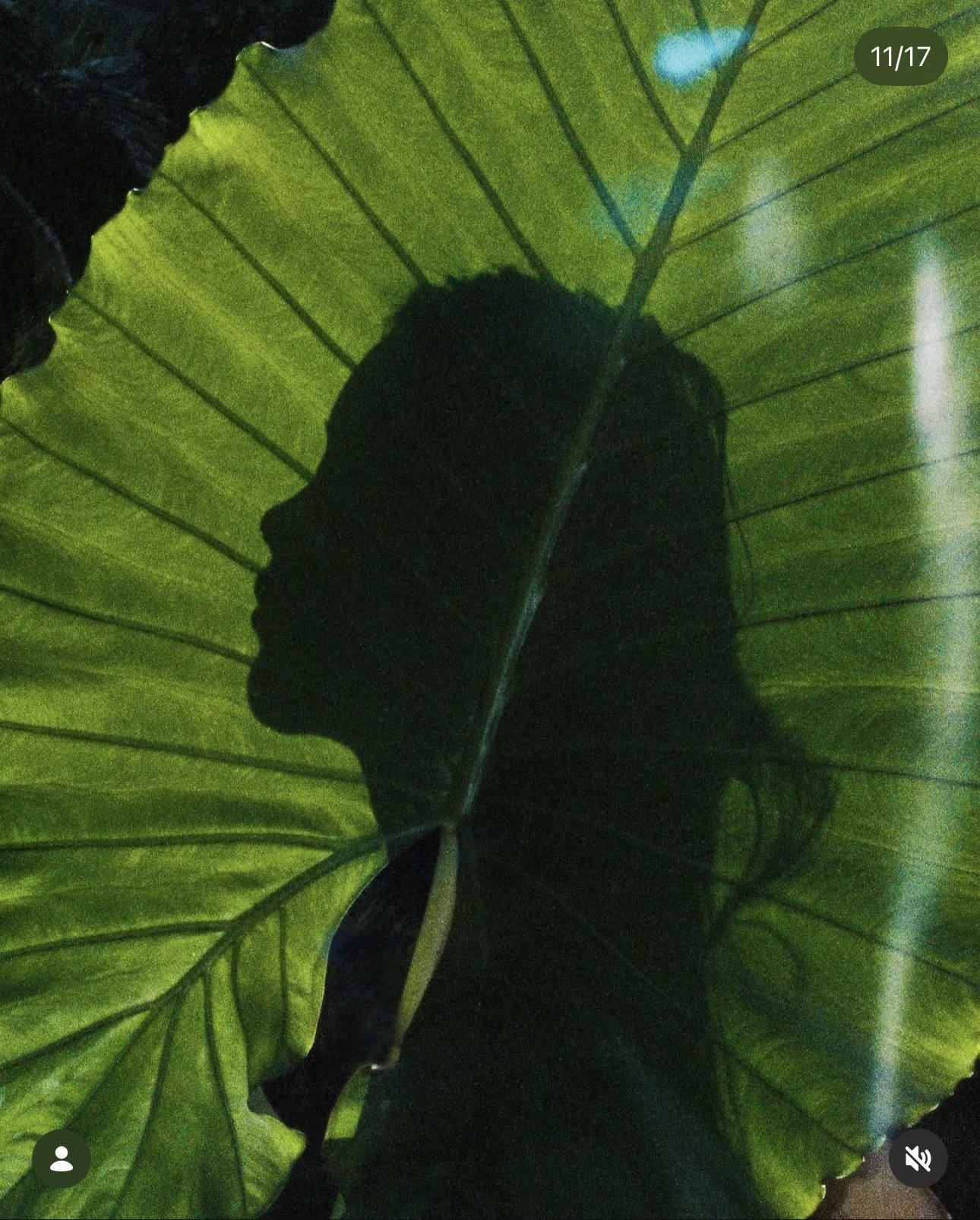
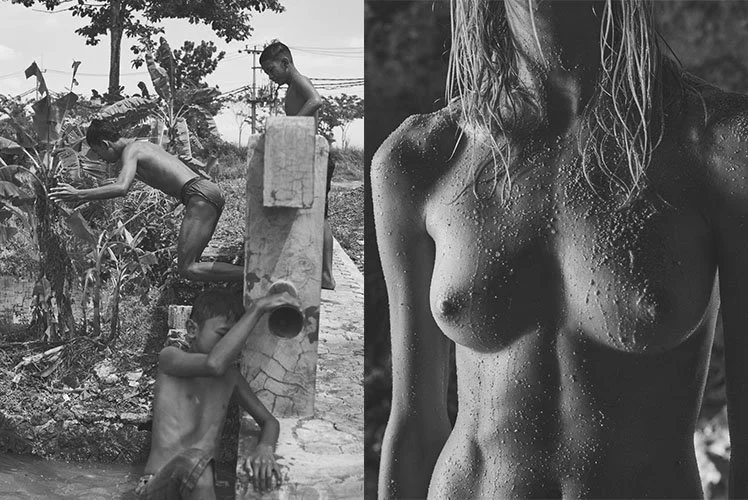
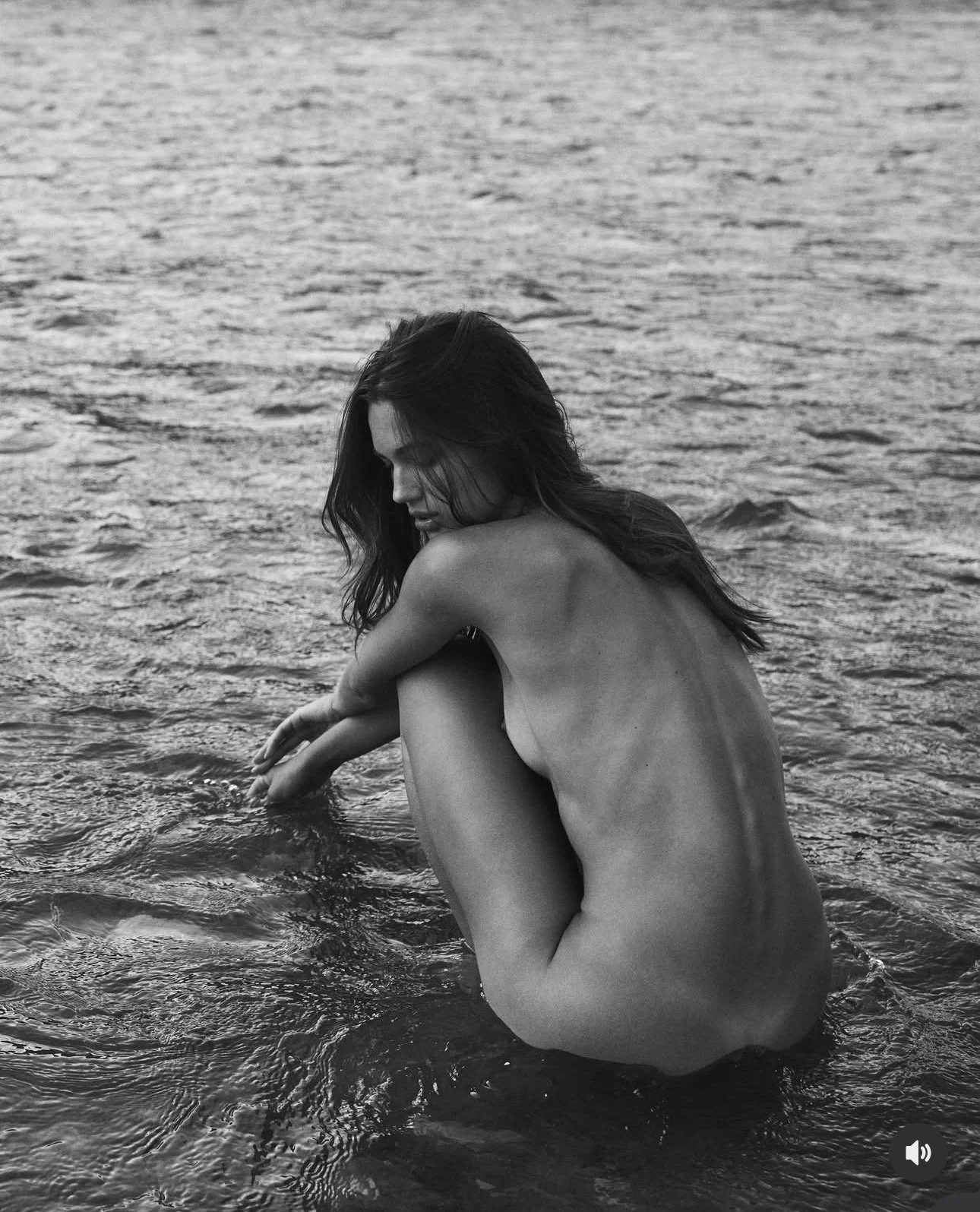
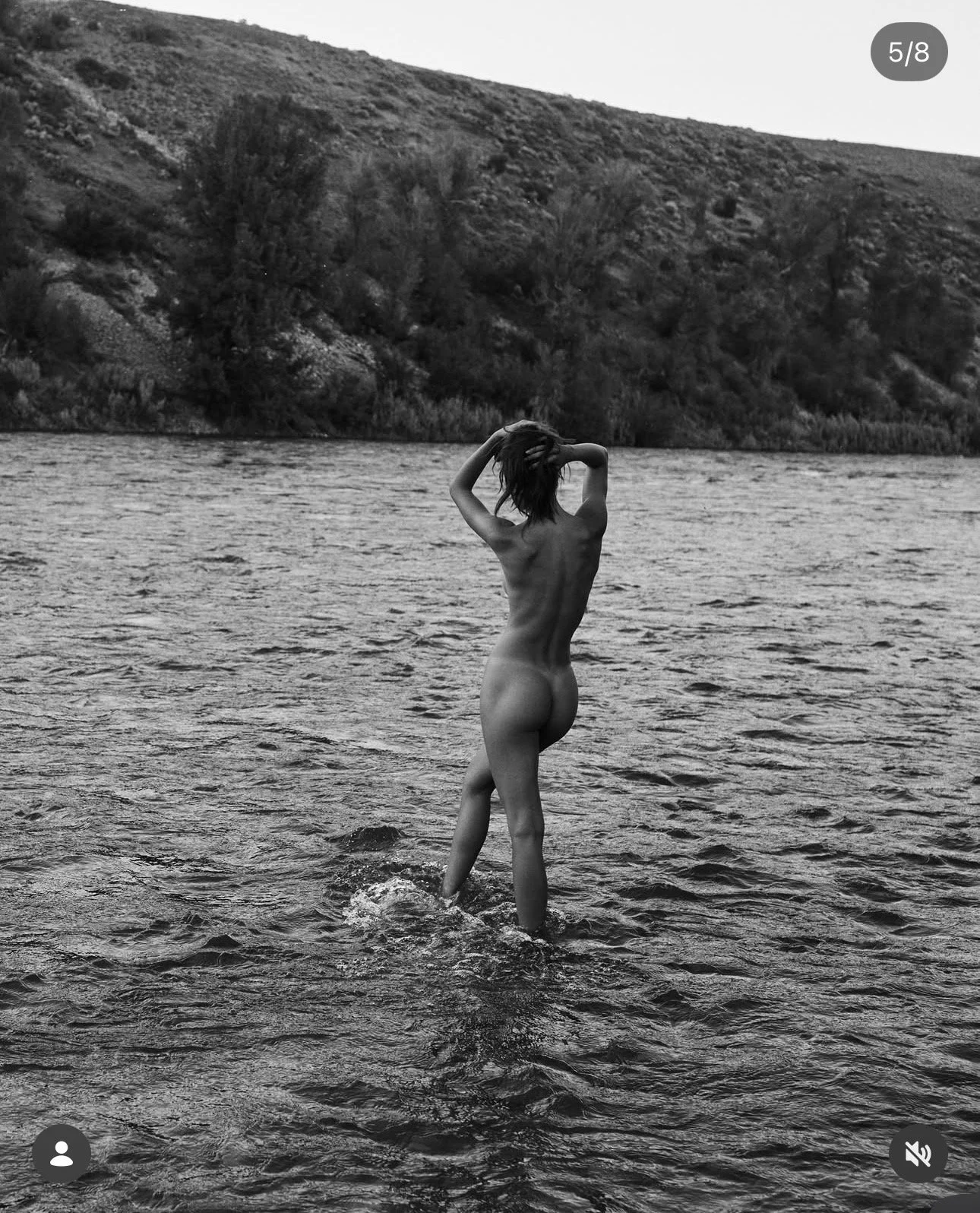
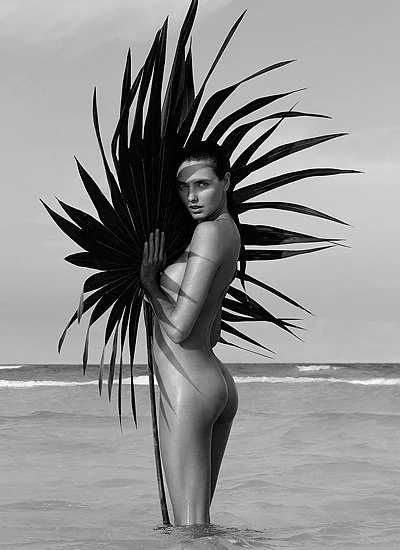
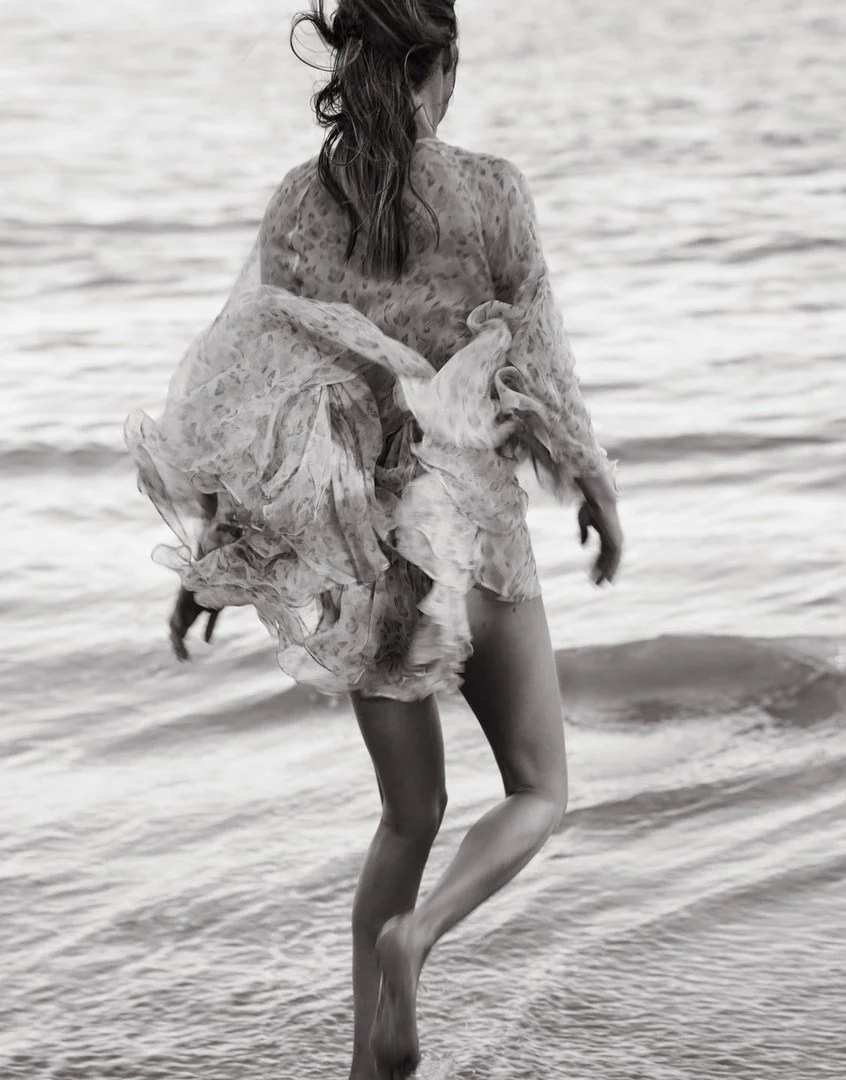
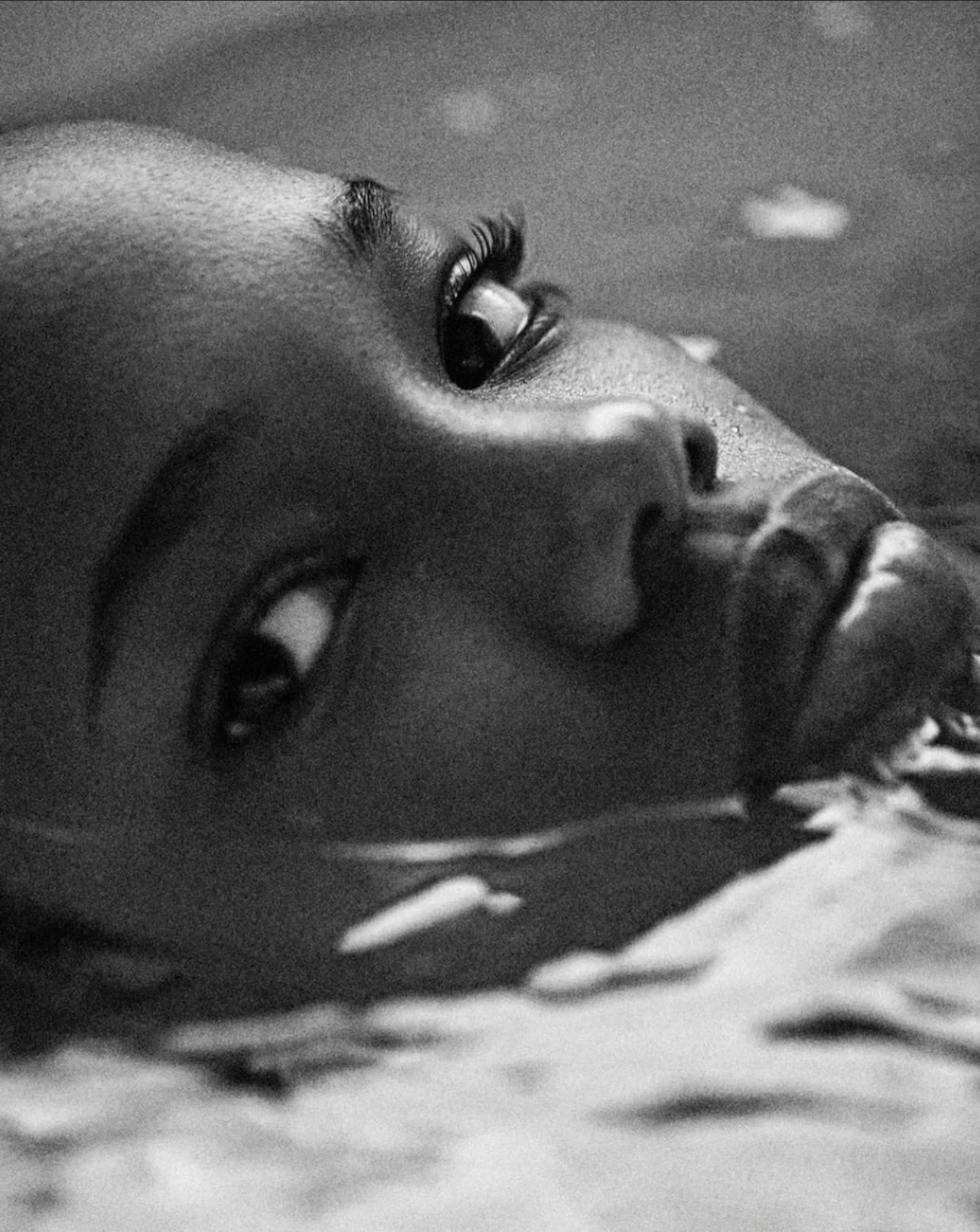
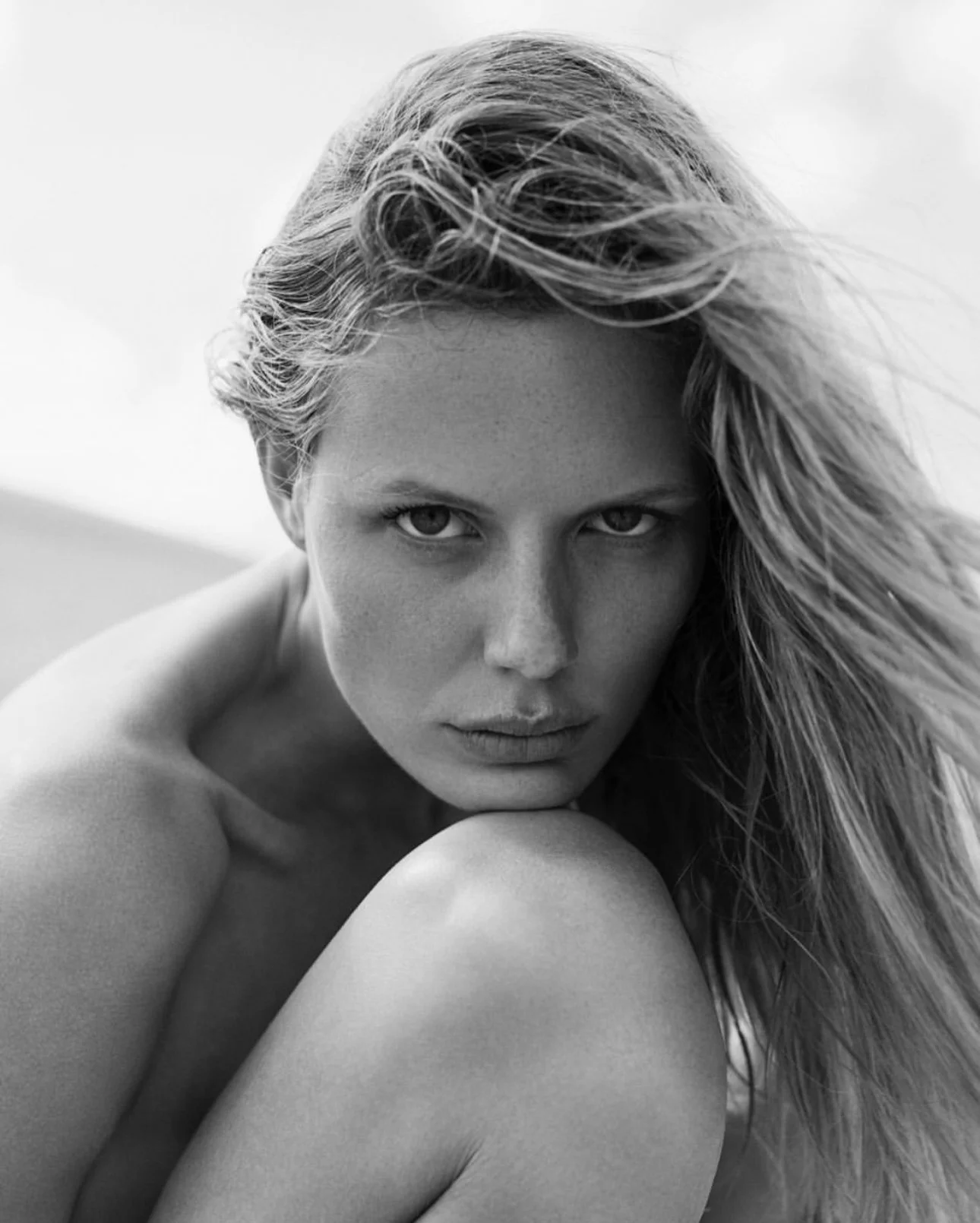
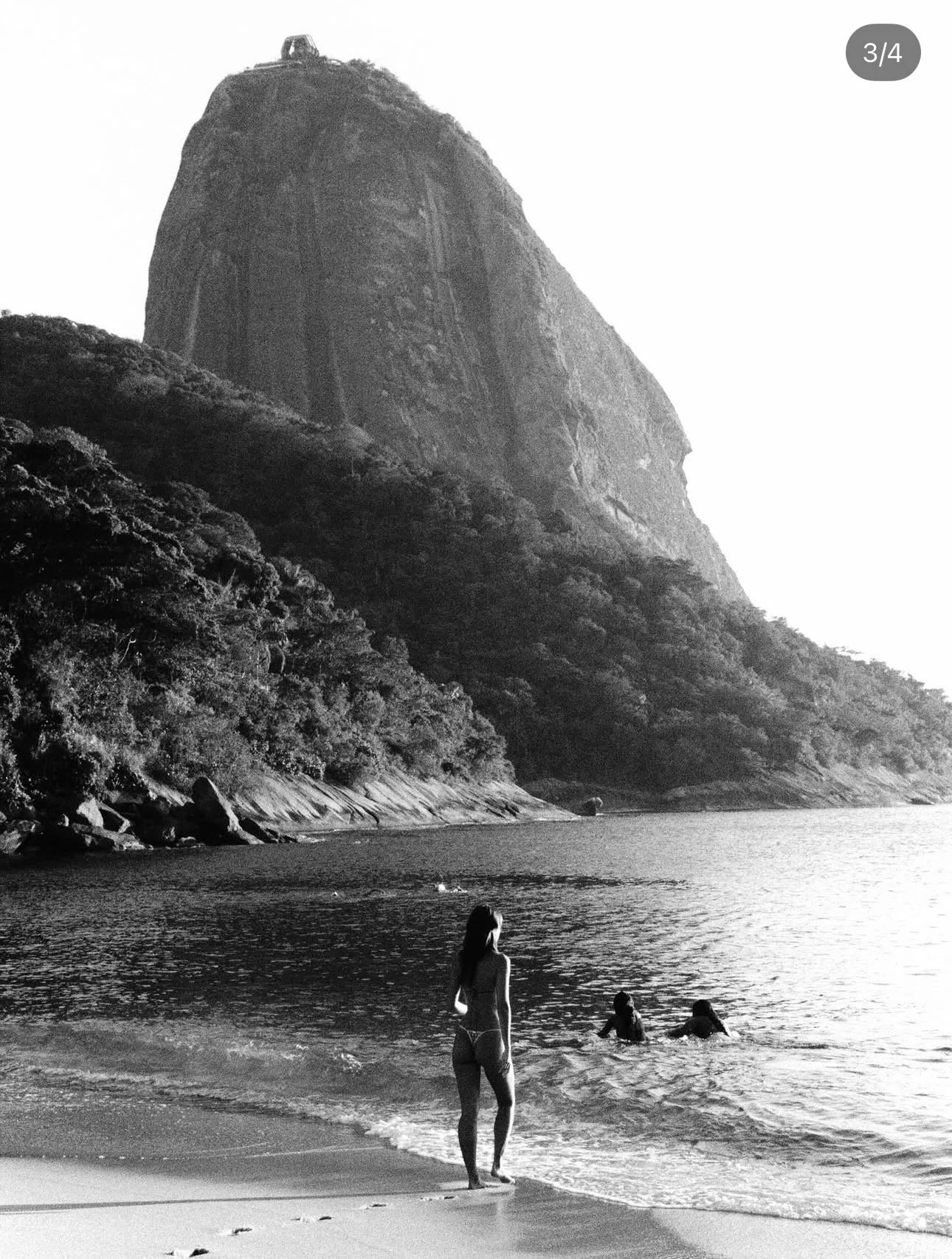
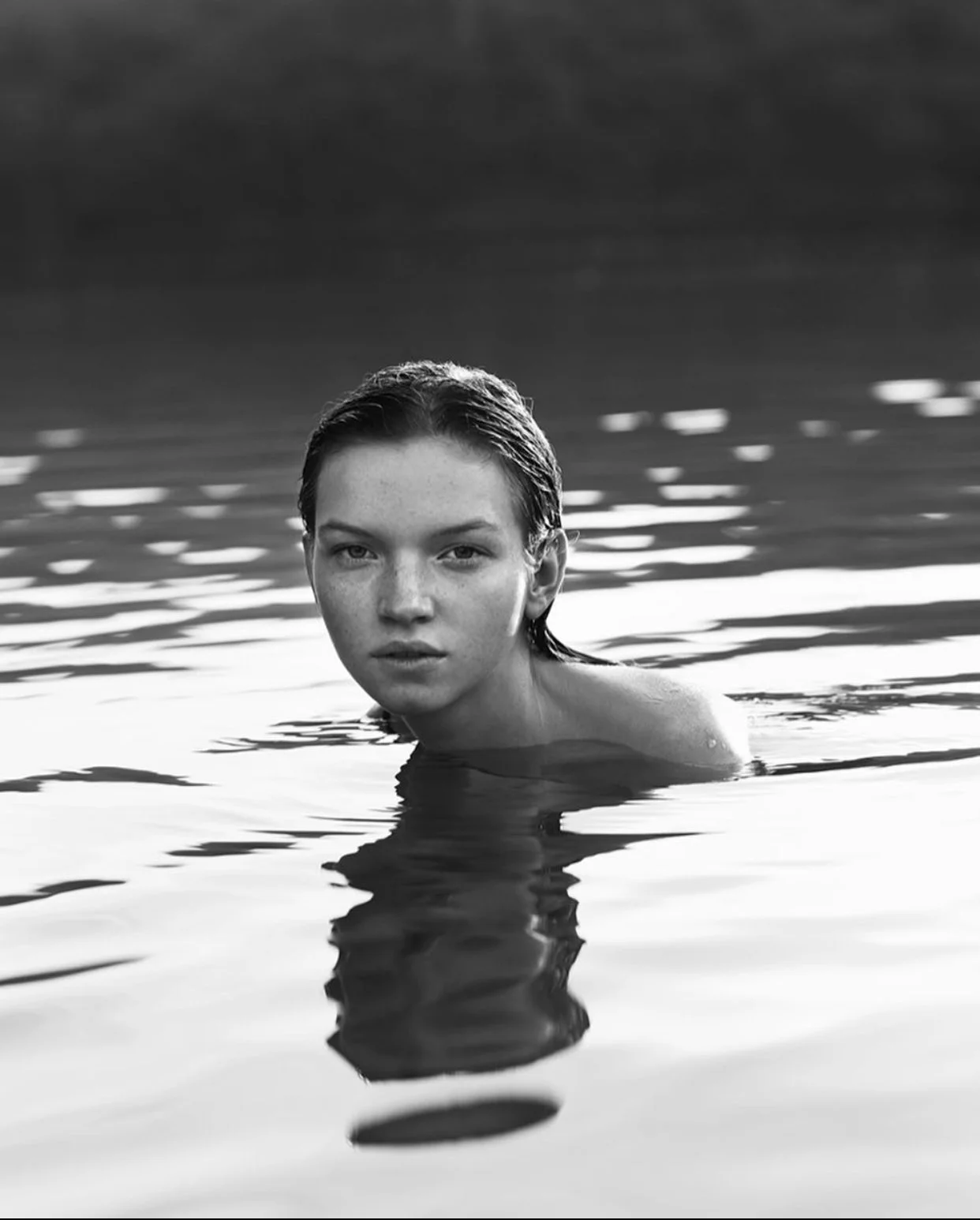
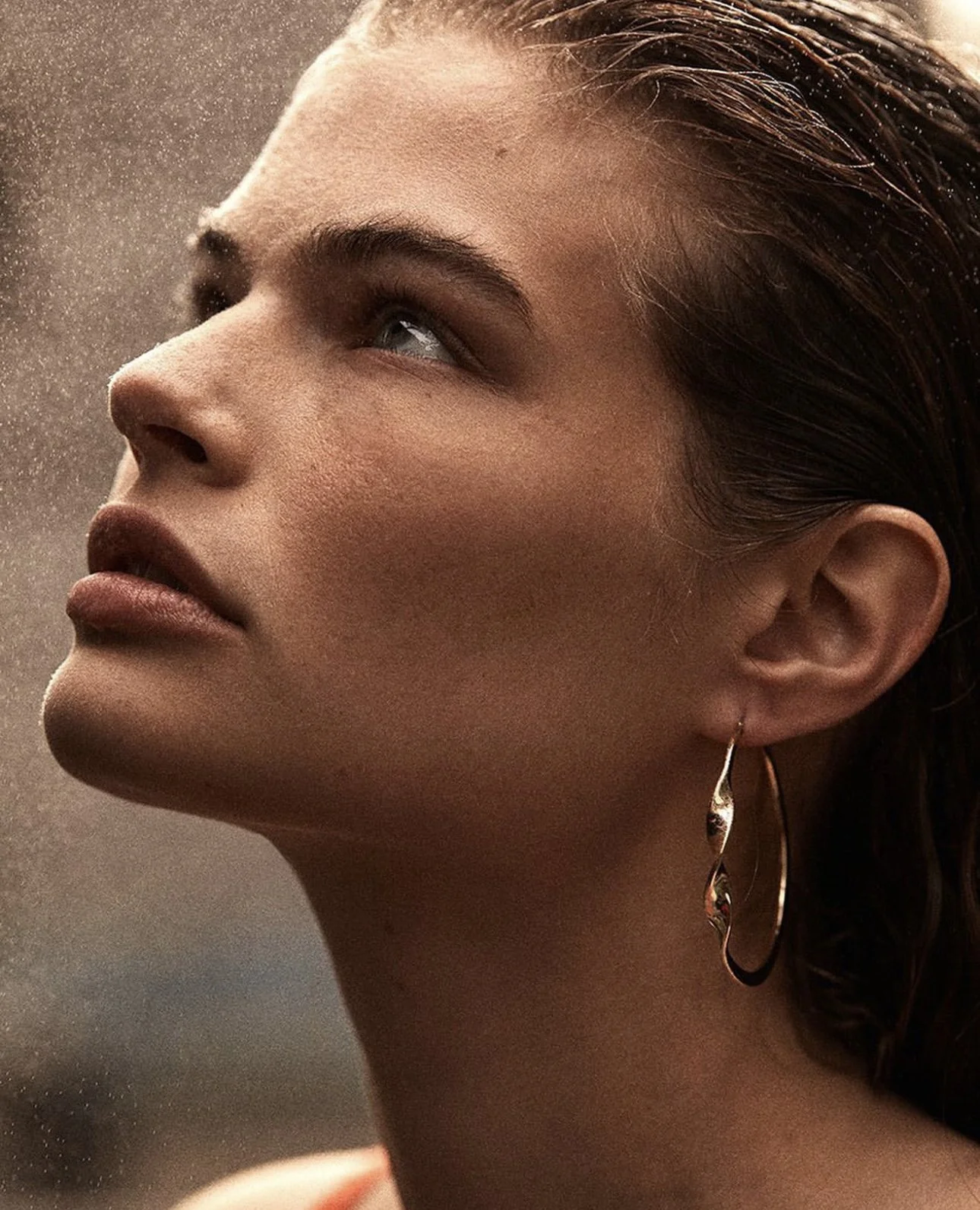
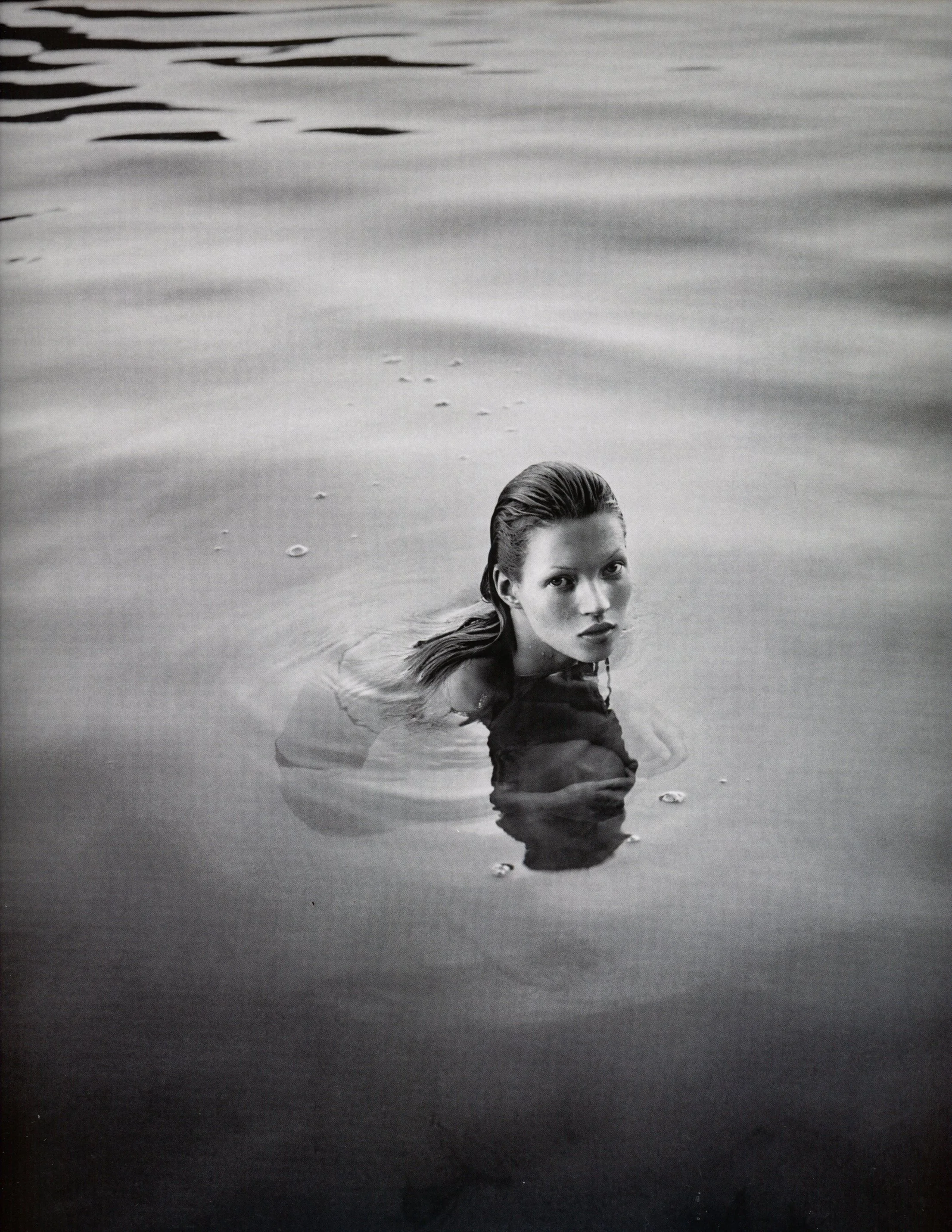
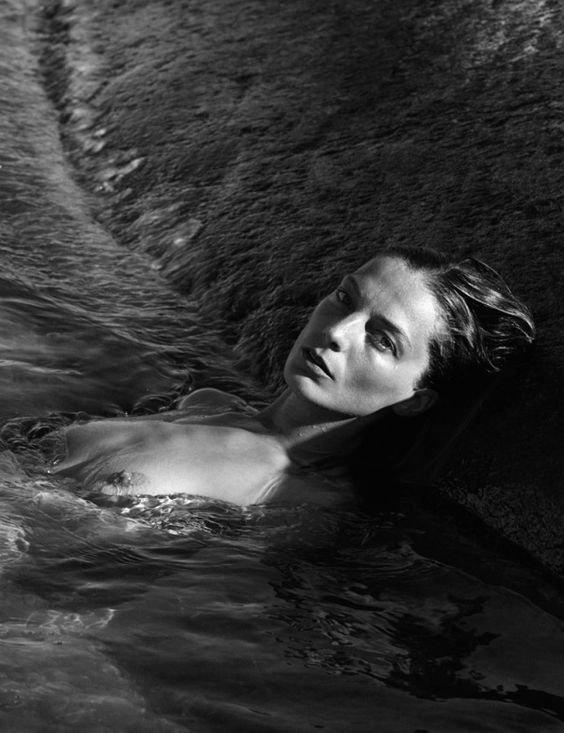
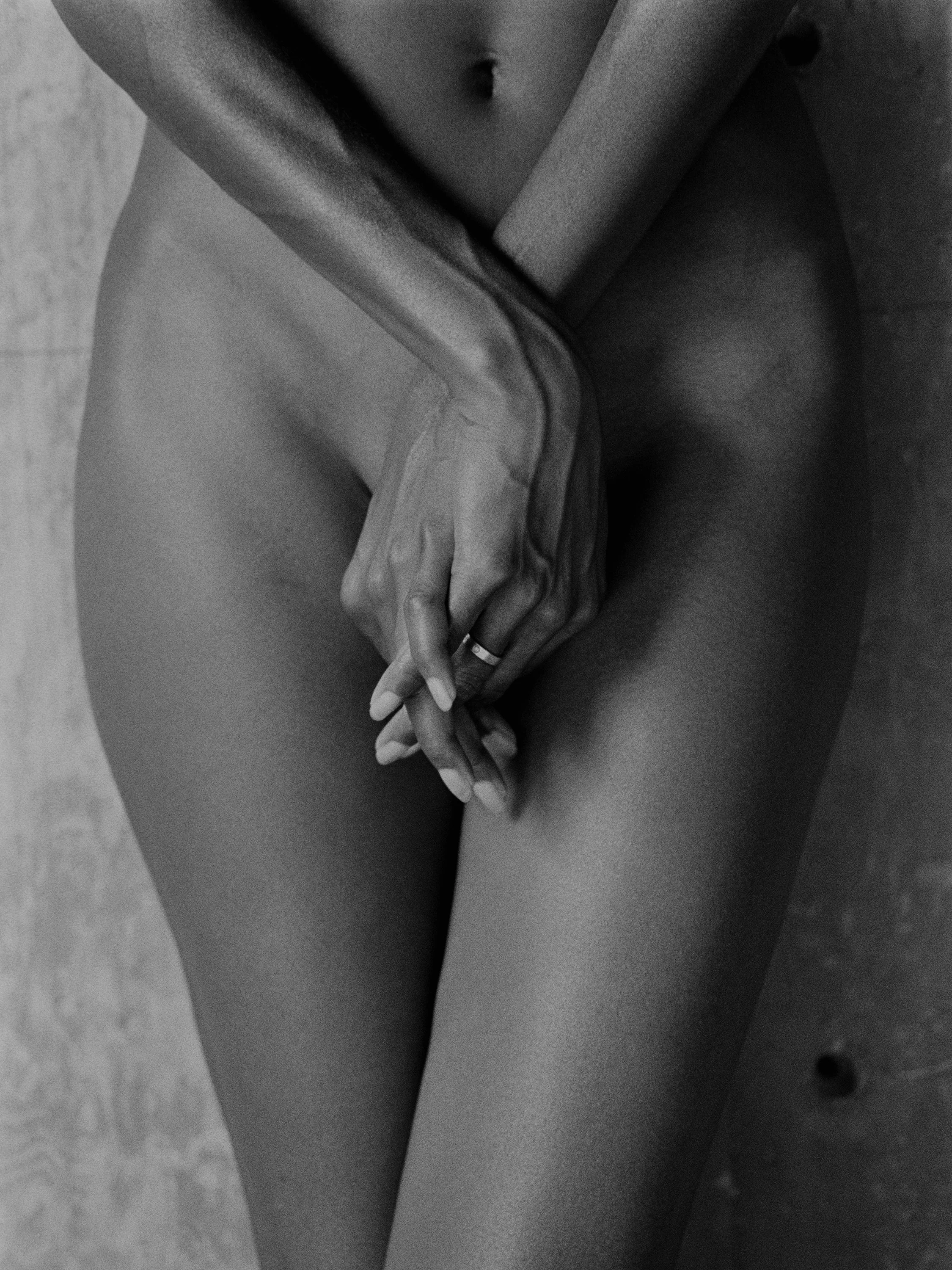
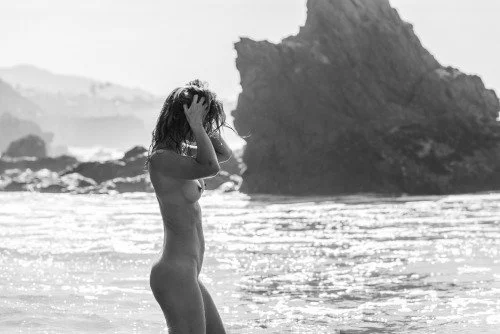
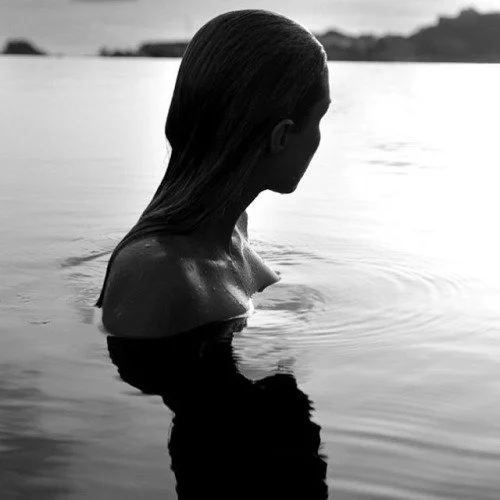
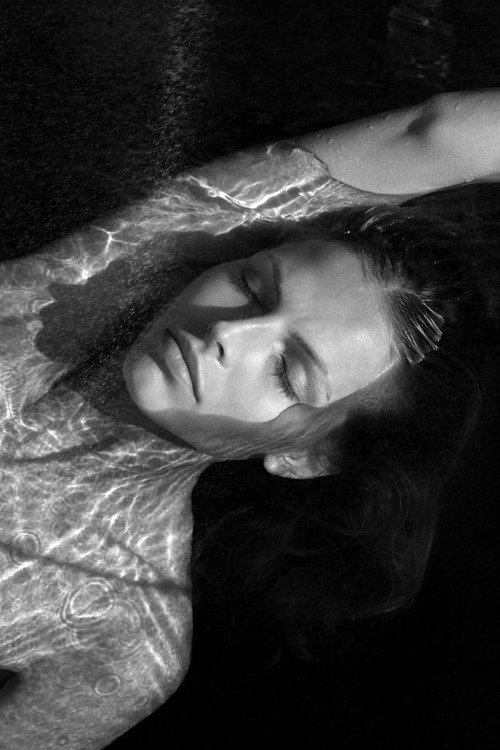
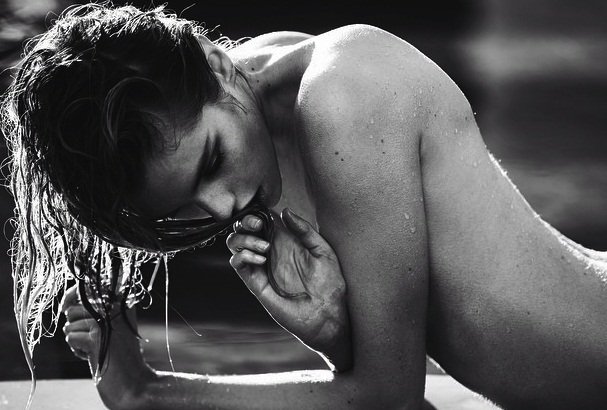
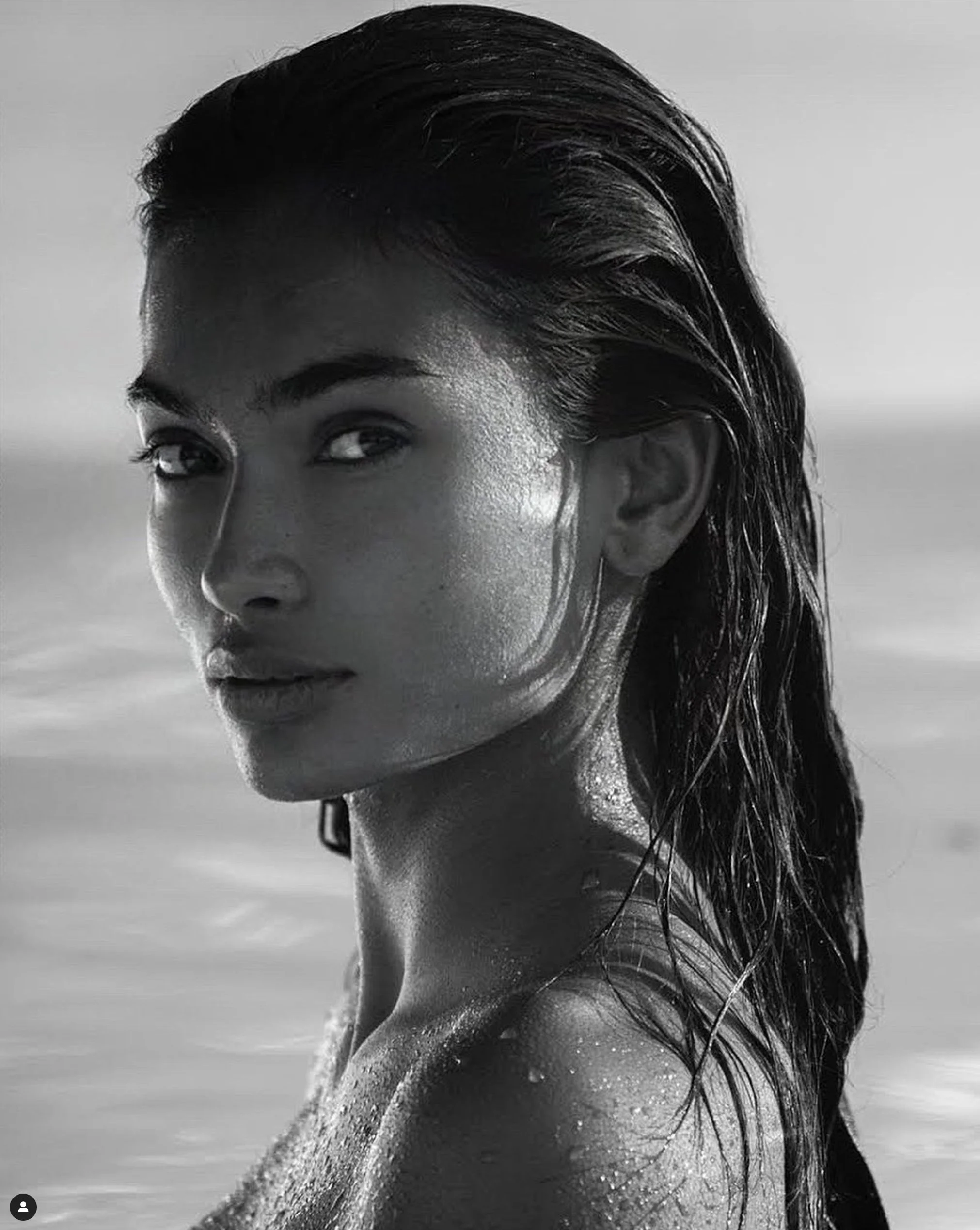
The imagery should feel mystical, cinematic, emotional, and deeply physical. Water may suggest birth, surrender, desire, purification, danger, or transformation. A figure emerging from the sea might feel like a deity returning from another world. A body standing beneath a waterfall becomes something between human and divine. A figure moving through the jungle becomes an apparition. A portrait beside volcanic stone becomes an encounter with something ancient.The emphasis should be placed on:
Monumental scale between subject and New York's architecture and landscapes
Fashion that commands the environment rather than blends into it
Sculptural posing with quiet authority
Architectural silhouettes contrasted against organic landscapes
The relationship between natural light, atmosphere, and luxurious materials
Emotional restraint and unwavering confidence
The coexistence of civilization, nature, and mythology
Presence over narrative
These editorials should feel less like city fashion stories and more like archaeological discoveries hidden within Gotham itself.
-
The two destinations offer different expressions of the same mythology.
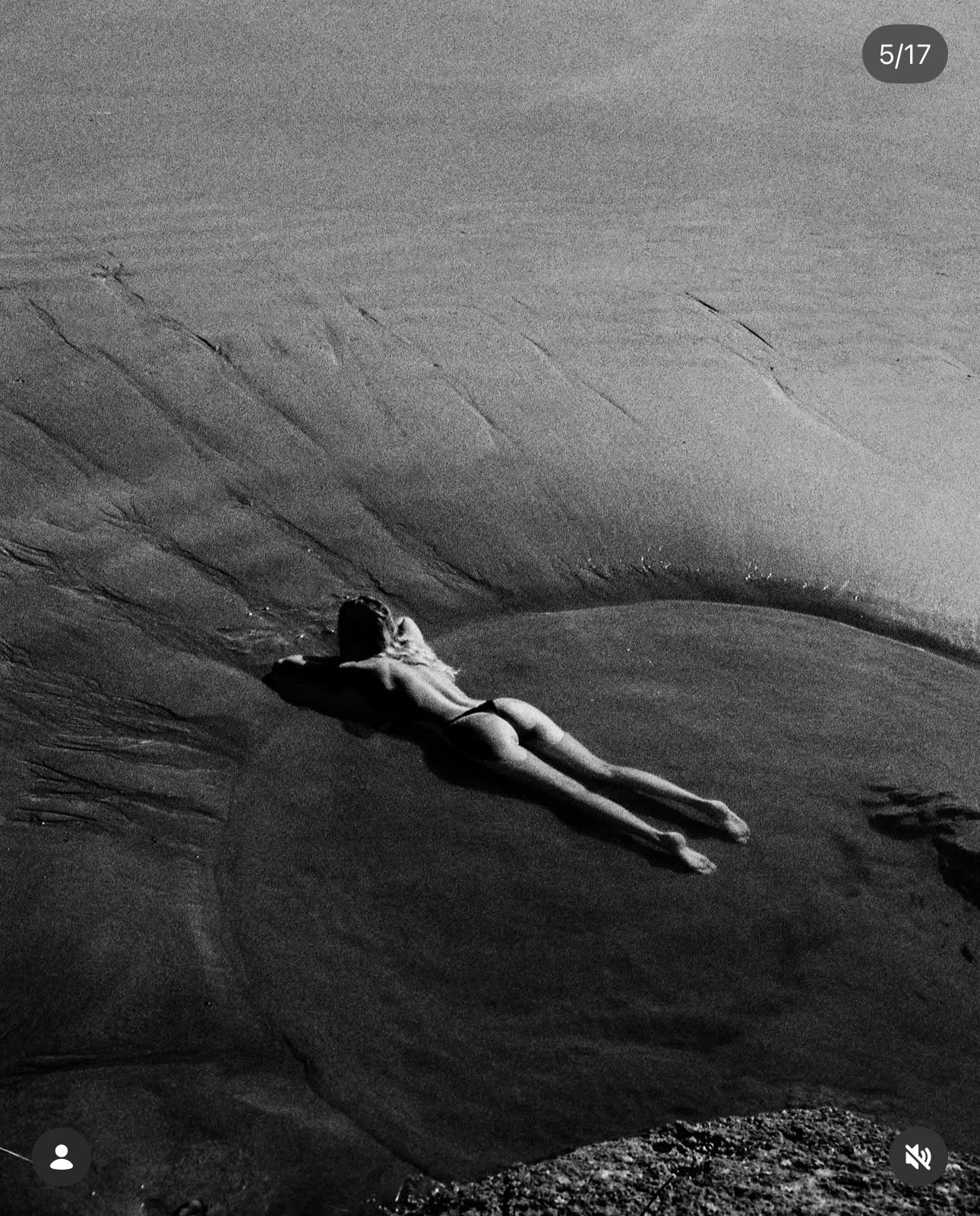
Hawaii is elemental and primordial—volcanic earth, black sand, rain, waterfalls, ocean horizons, tropical forests, and the immense Pacific. It is a world of fire and water existing simultaneously.
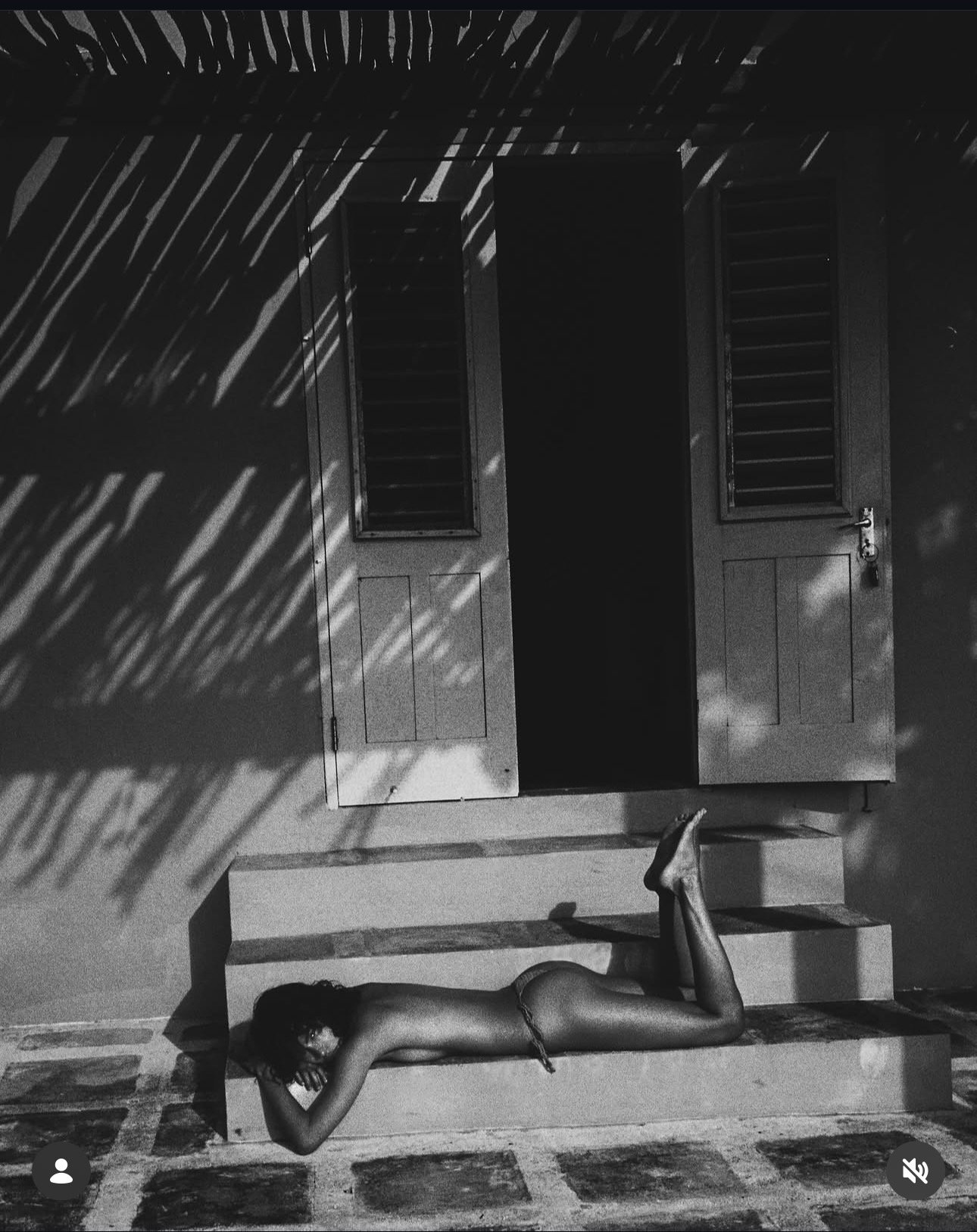
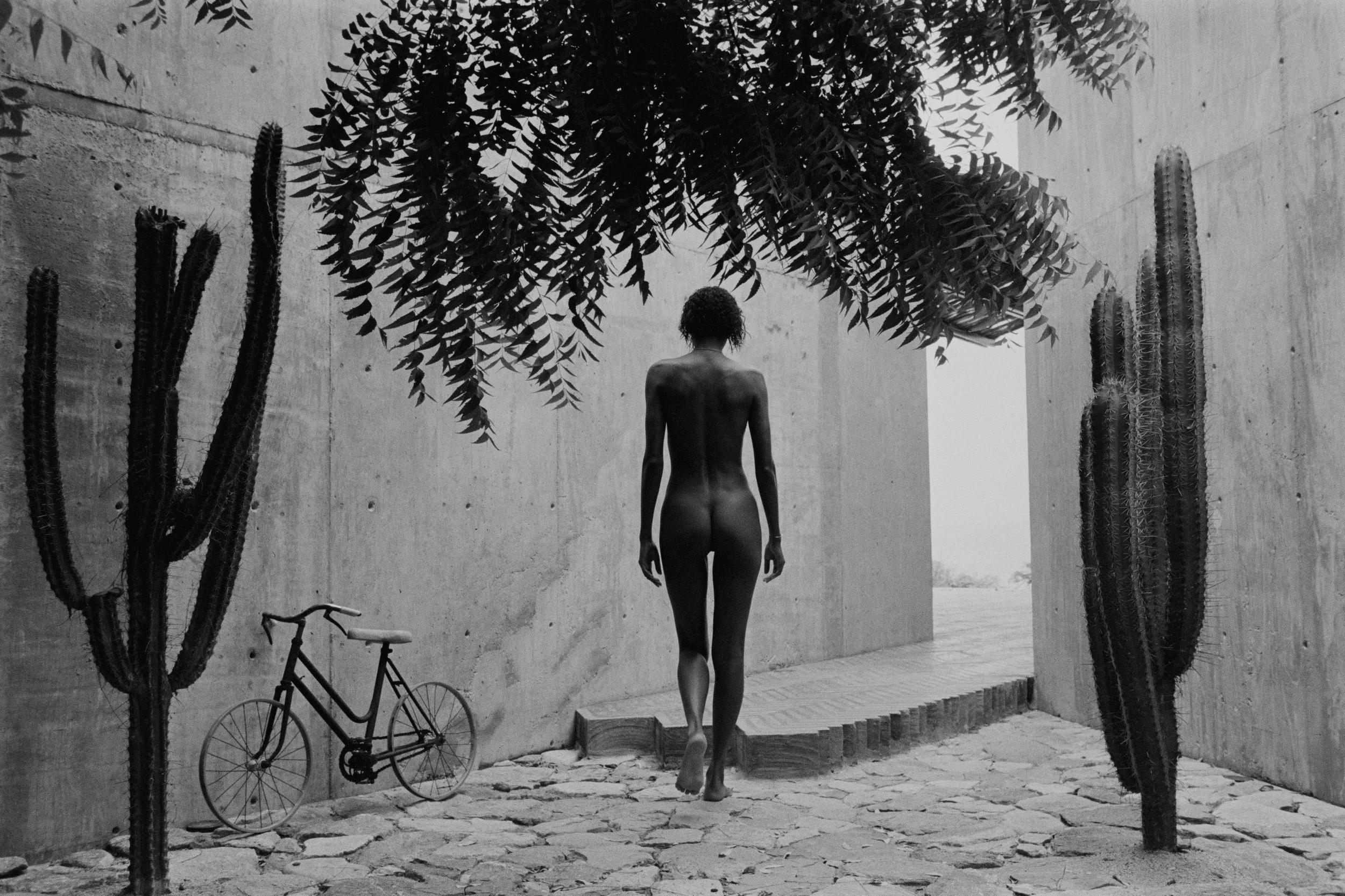
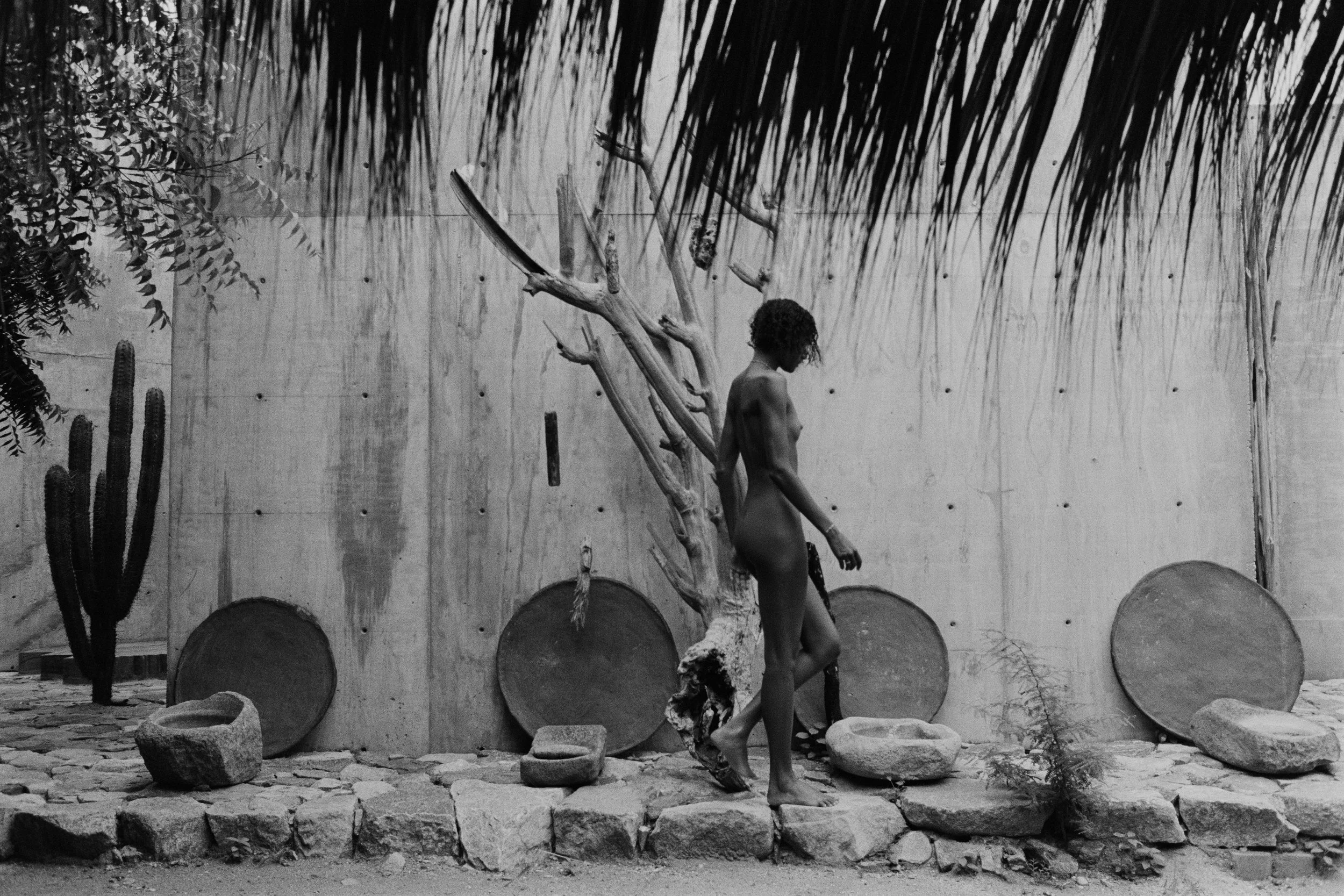
Tulum is sensual and mysterious—jungle, limestone, cenotes, turquoise water, ancient stone, tropical heat, and the tension between the earthly and the sacred. Here, the body, landscape, and water become intertwined.