TYKORCHÉLLI
By Elias Saint
There is a particular kind of fashion that does not ask to be noticed. It assumes it will be.
TYKORCHÉLLI occupies that territory.
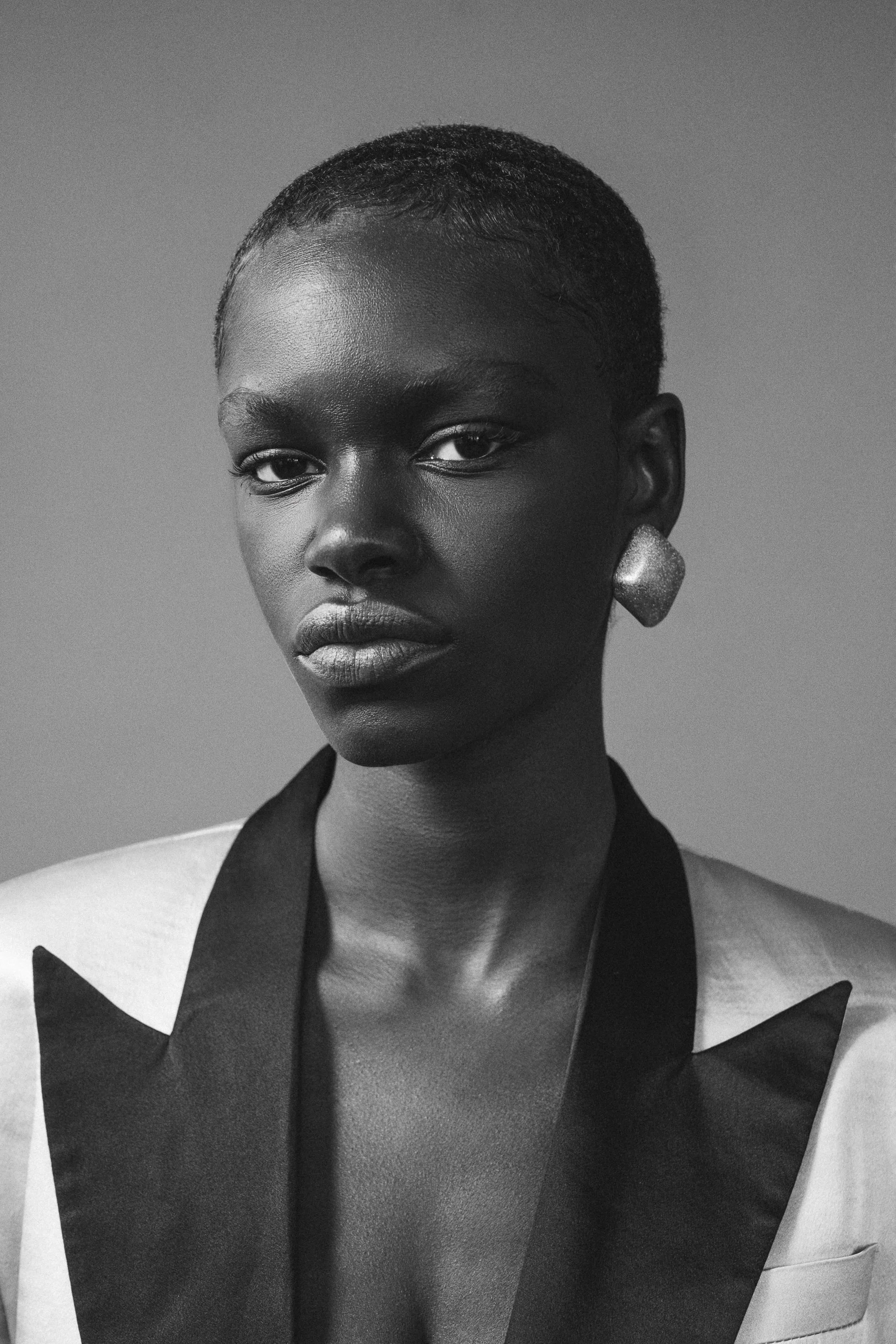
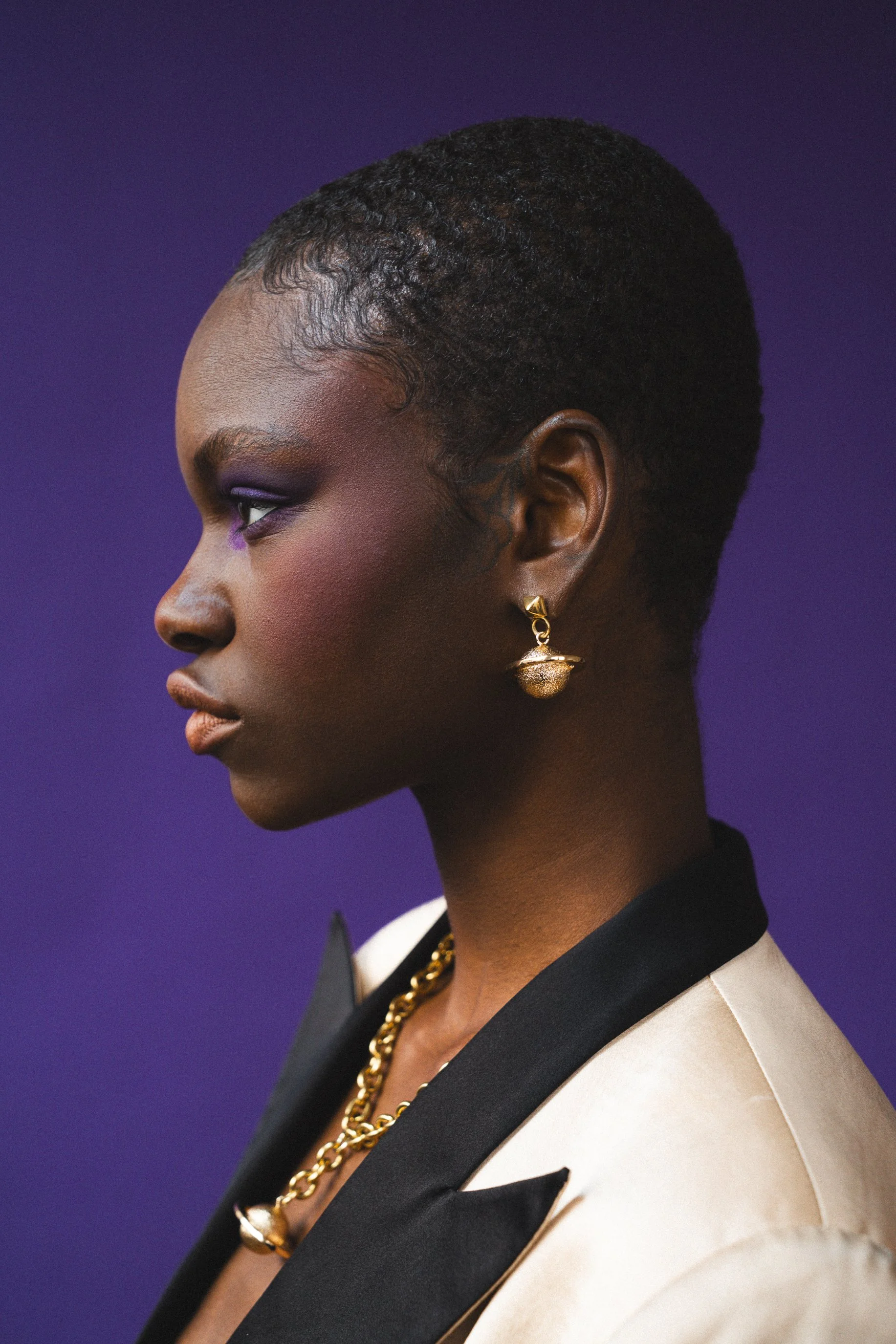
Born in Atlanta from the creative partnership of Corie Anziano and Tyreeq Thomas, the house approaches fashion through the language of couture: custom construction, commanding silhouettes, elaborate detailing, and garments conceived not simply to dress the body, but to transform its presence.
The distinction is important. In an era increasingly defined by speed, accessibility, and the endless circulation of images, TYKORCHÉLLI remains interested in fashion as an experience. Its work is rooted in bespoke gowns, luxurious suiting, and avant-garde accessories, with an emphasis on craftsmanship and individuality.
This is clothing designed for the entrance.
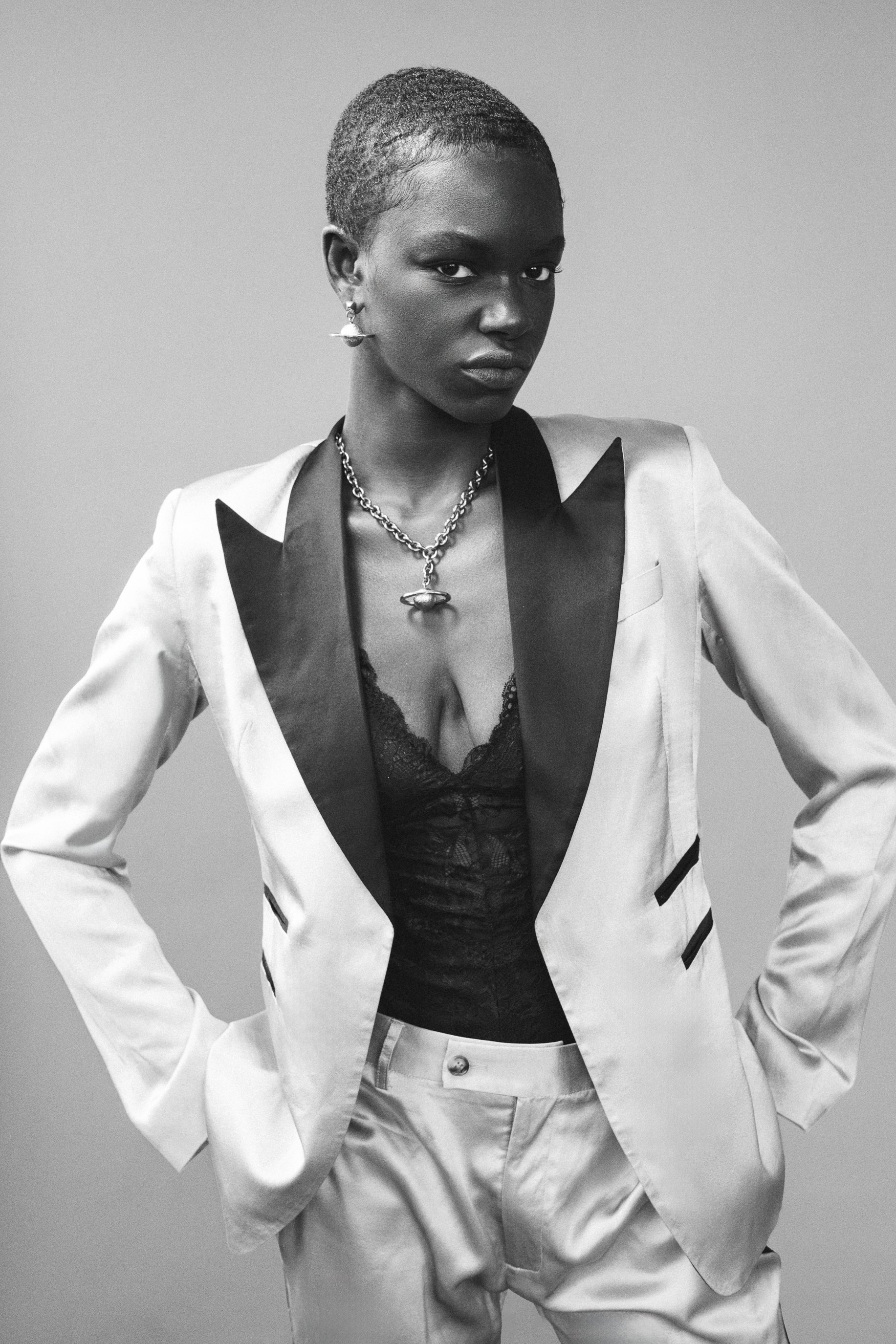
A TYKORCHÉLLI silhouette possesses an inherent theatricality, but it is not theatrical for theatricality's sake. There is an understanding that luxury is ultimately about presence—the cut of a shoulder, the volume of a skirt, the precision of a suit, the way fabric occupies space around the body. The garment becomes architecture.
And architecture, at its most powerful, changes the way we experience the person standing within it.
That sensibility places TYKORCHÉLLI within an increasingly important Atlanta fashion landscape: one in which Southern creativity is not peripheral to the larger fashion conversation, but increasingly contributes its own vocabulary of expression, extravagance, and individuality. Atlanta's fashion community has developed a distinctive reputation for designers working outside conventional industry centers and building their own visual languages.
TYKORCHÉLLI's answer is couture.
The house describes its work as a fusion of luxury and creativity, with every creation treated as an expression of the wearer rather than merely an object of fashion. Its design services extend beyond the garment itself into styling and custom experiences, including work for film and television.
That philosophy is particularly evident in the house's relationship with occasion.
TYKORCHÉLLI does not appear interested in making clothes that disappear into a wardrobe. These are garments conceived around moments—galas, celebrations, performances, red carpets, private gatherings, and the cinematic environments where clothing becomes part of the story. The house also positions its work for models, celebrities, and high-end clientele, reinforcing its interest in fashion as spectacle as well as personal expression.
But spectacle alone is not enough.
The enduring value of couture is its intimacy. A custom garment carries the imprint of its maker and the identity of its wearer simultaneously. It exists between fashion and portraiture, between craftsmanship and character.
That is where TYKORCHÉLLI becomes particularly compelling.
The house represents a generation of independent American designers who are not waiting for permission from the traditional fashion capitals to define what luxury can look like. From Atlanta, TYKORCHÉLLI is building a vocabulary of its own—one rooted in grandeur, individuality, craftsmanship, and the unapologetic pleasure of being beautifully dressed.
For SHADAI, that distinction matters.
Because fashion at its most powerful has never been simply about what is being worn.
It is about what the garment makes possible.
A different posture.
A different entrance.
A different understanding of the body.
TYKORCHÉLLI understands that luxury begins there.